
Tradition&Heritage

By the ninth century, the Republic of Venice wanted full control of the Adriatic, and the Croatian coast kept getting in the way. Ships loyal to Croatian duke Domagoj had already made free passage difficult for the Venetians for years. By the 880s, Venice faced a new and increasingly troublesome rival: the Principality of Neretva, known to its neighbours as Neretvani, Narentines.
This was a small, independent Croatian principality centred on the delta of the Neretva river and the surrounding islands, including Mljet, Korčula, Brač and Hvar. Its sailors and warriors had spent decades raiding Venetian ships and disrupting trade routes, and Venice had little success bringing them under control. Diplomacy hadn’t worked, so Venice started preparing for a confrontation instead.
The naval battle of September 18th 887
In 887, a newly elected doge, Peter I Candiano, decided to settle the matter once and for all. He assembled a fleet of 12 war galleys, each carrying around 60 armed men, a serious force for the period, and sailed toward what is today the Makarska Riviera.
The fleet arrived off the coast near Tučepi on the morning of September 18th, 887. Candiano struck first, sinking or burning several Neretvani vessels. Confident in his advantage, he pushed further, ordering troops onto landing boats to attack by land as well.
That decision proved fatal. The Neretvani, whose naval strength relied on speed and the element of surprise rather than the size of their fleet, regrouped and struck back hard. What began as a Venetian advantage collapsed into a rout, on both water and land. According to the Venetian chronicler John the Deacon, who recorded the naval battle under the name Mucules, the Venetian forces were completely broken. Doge Peter I Candiano himself was killed in the fighting, making him the first doge of Venice to die in battle.
The aftermath
The defeat left a lasting mark on Venice’s ambitions. The Republic never again attempted such a direct, large-scale assault on the Neretvani, and for decades afterward, until the early eleventh century, Venice paid an annual tribute, the tributum pacis, to Croatian rulers simply for the right to sail the Adriatic unmolested. Venice’s troubles with the Neretvani weren’t over for good, either. In 948, Peter III Candiano, grandson of the doge killed at Mucules, launched his own campaign against the same principality, and suffered a heavy defeat of his own.
A foundation for Croatian naval power
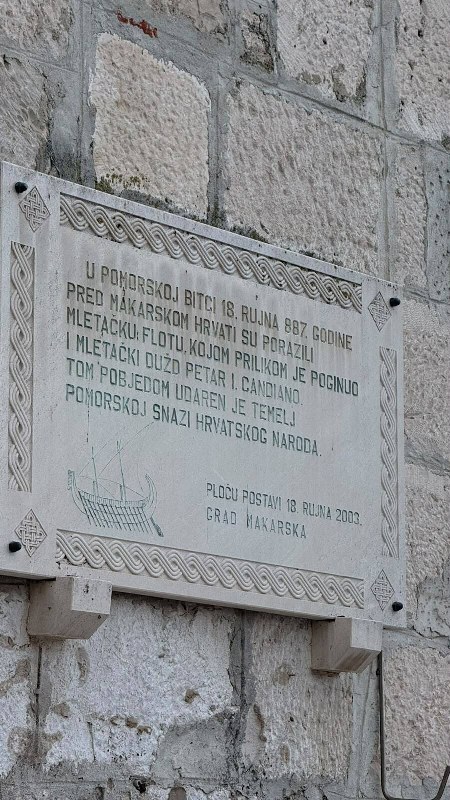
The Battle of Mucules is remembered in Croatia as a foundational moment for the country’s naval tradition, a status confirmed on a commemorative plaque placed on a wall in Makarska by the city in 2003. In 1993, President Franjo Tuđman formally designated September 18th as the Day of the Croatian Navy, specifically in memory of this battle. The date is still marked today, among other ways, through the Maraton lađa, a rowing event held in traditional vessels from Metković to Ploče, in tribute to the Neretvani sailors who made the original victory possible.
This year’s commemoration: stories from the sea
This year, on the 1139th anniversary of the battle, Makarska brings the story back to life with “Mucules 887: Stories from the Sea”, an evening event at Veliki mul that combines history, food, and music, alongside a modern message about the health of the Adriatic.
Reliving the battle
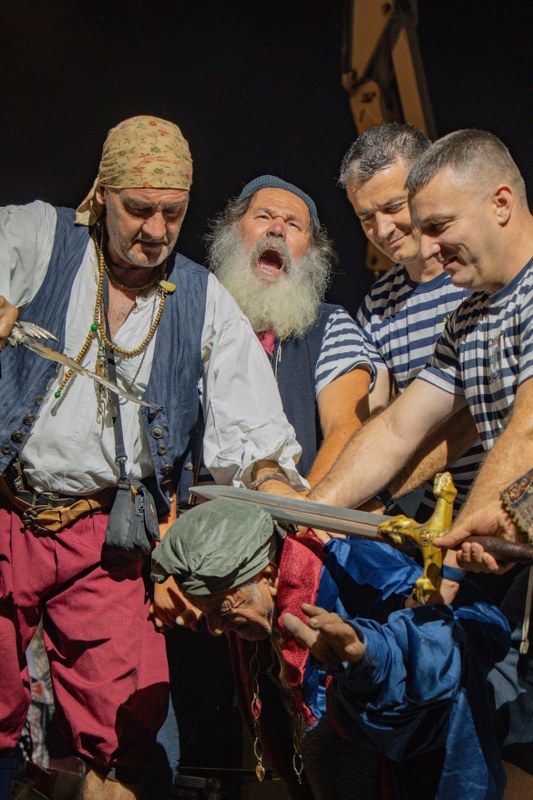
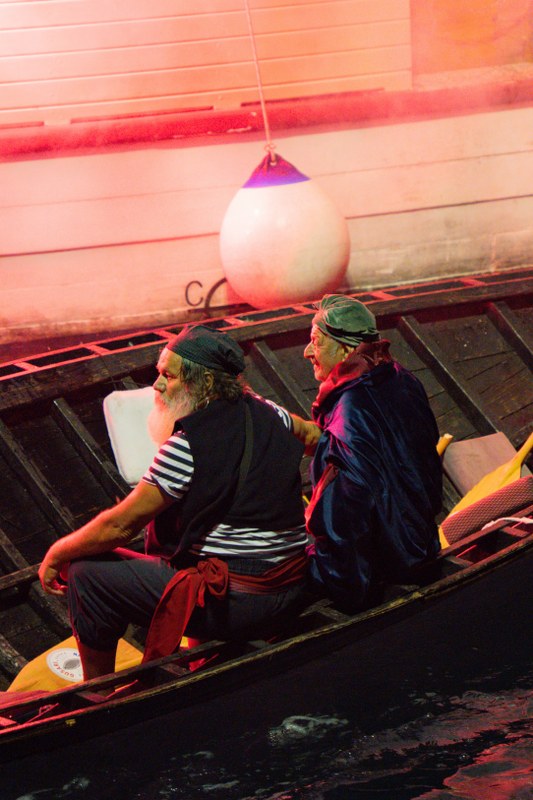
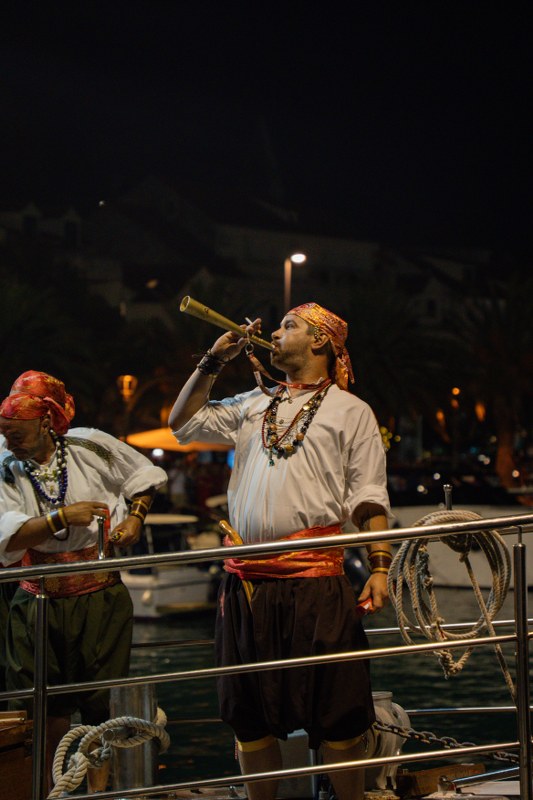
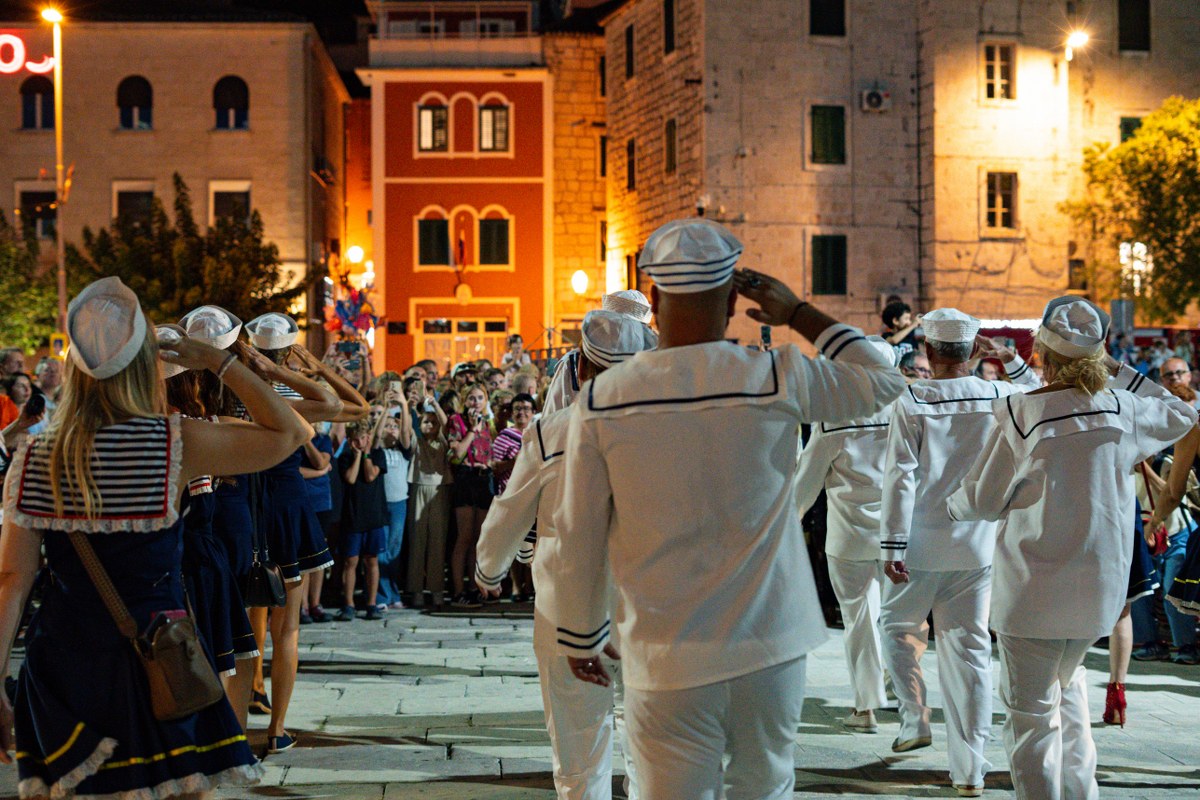
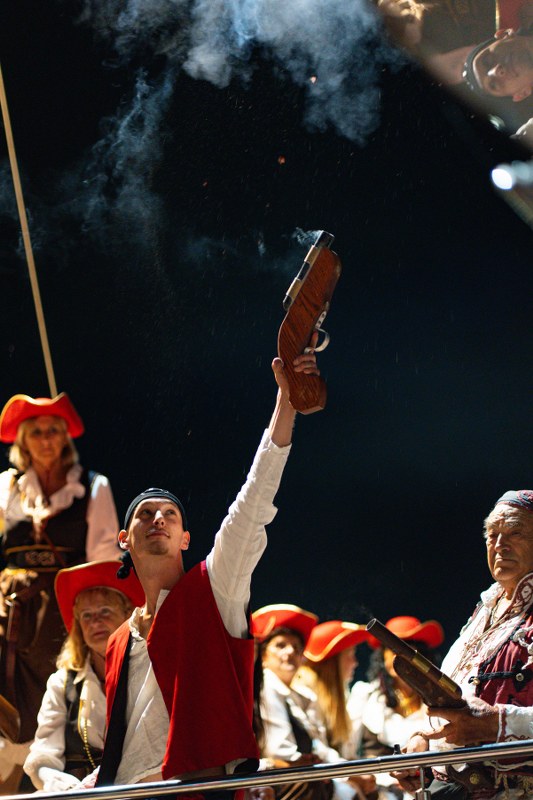
The historical part of the programme begins at 7:30 PM, when a procession sets off toward Veliki mul, accompanied by the Makarska City Brass Band and the Karlovac Drummers. Pirates representing Neretva, Omiš, Makarska and Dubrovnik march alongside historical reenactment groups, setting the scene for what follows.
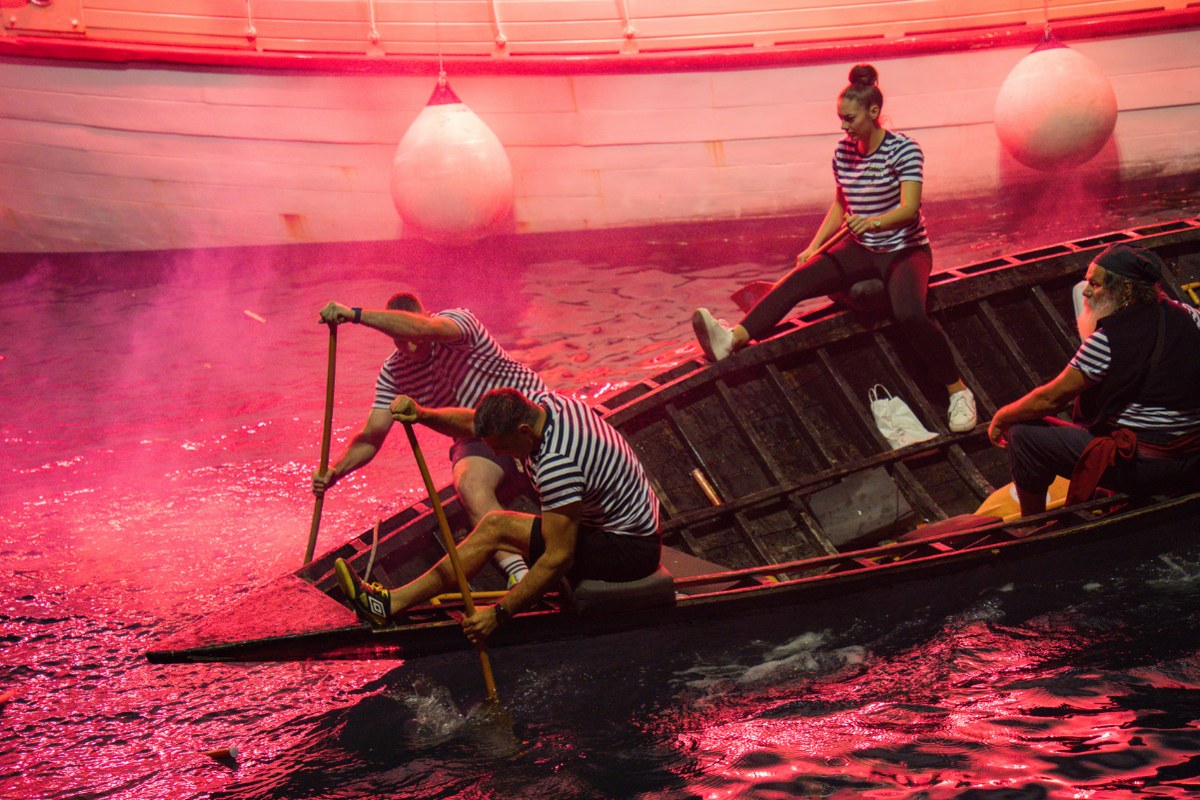
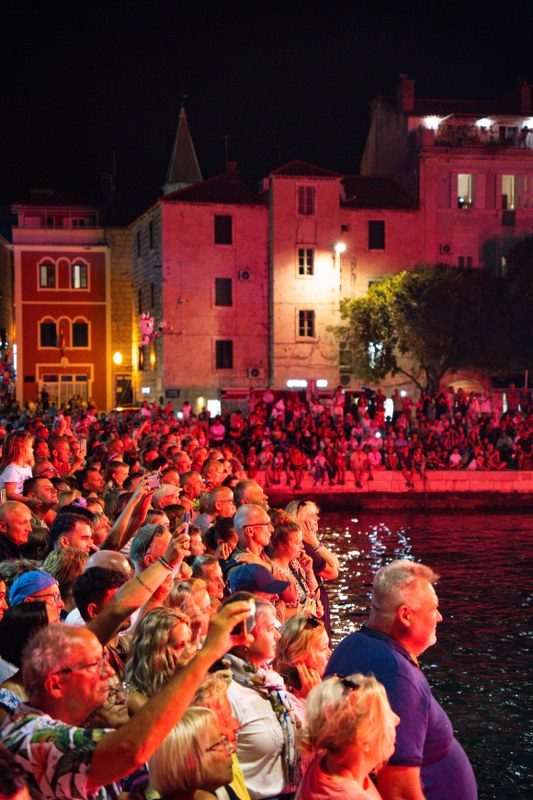
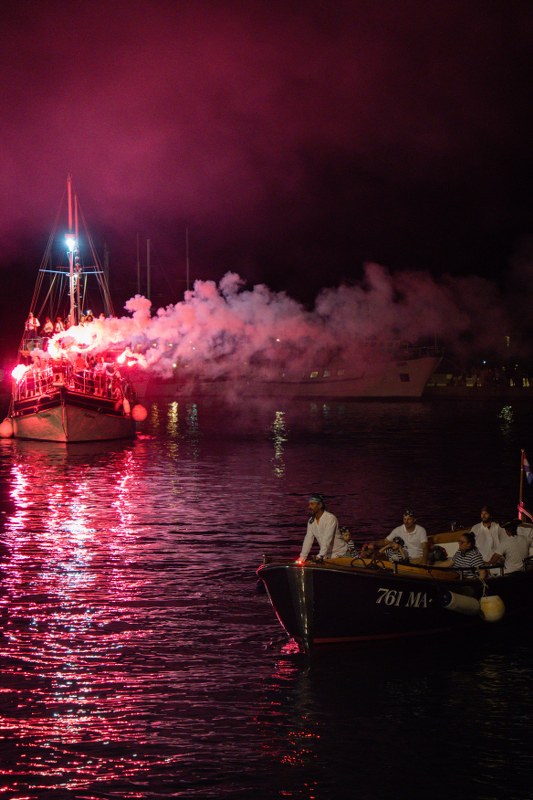
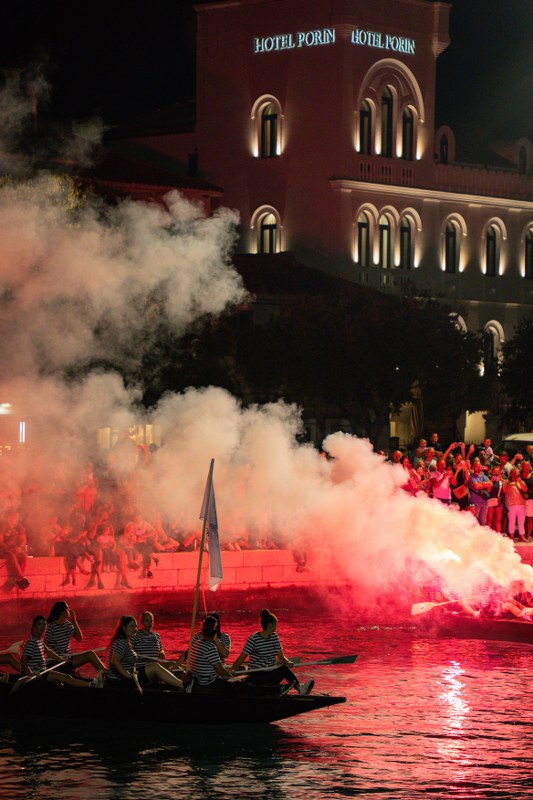
At 8 PM, the naval battle reenactment takes place on the water itself, in the harbour. The arrival of the Venetian ship, the Neretva vessel, pirates, music, and stage effects recreate the atmosphere of the original confrontation and highlight just how long Makarska’s identity has been tied to the sea.
As part of the day, the Croatian Navy will also mark Croatian Navy Day with a vessel moored in Makarska harbour, open to the public for viewing throughout the day.
A cooking showdown with a bigger message
Before the history takes over, the evening opens at 6:30 PM with a different kind of contest: a cooking showdown between chef Antonio Brajković and local chefs, built entirely around the blue crab.
The blue crab is a non-native, invasive species whose growing presence in the Adriatic threatens native marine life and creates new challenges for local fisheries. Rather than treating it purely as a problem, the event puts it on the plate, with chefs preparing blue crab brudet and blue crab with gnocchi, using the competition to open up a conversation about invasive species, sustainable seafood, and the balance of the marine ecosystem.
Live music to close the evening
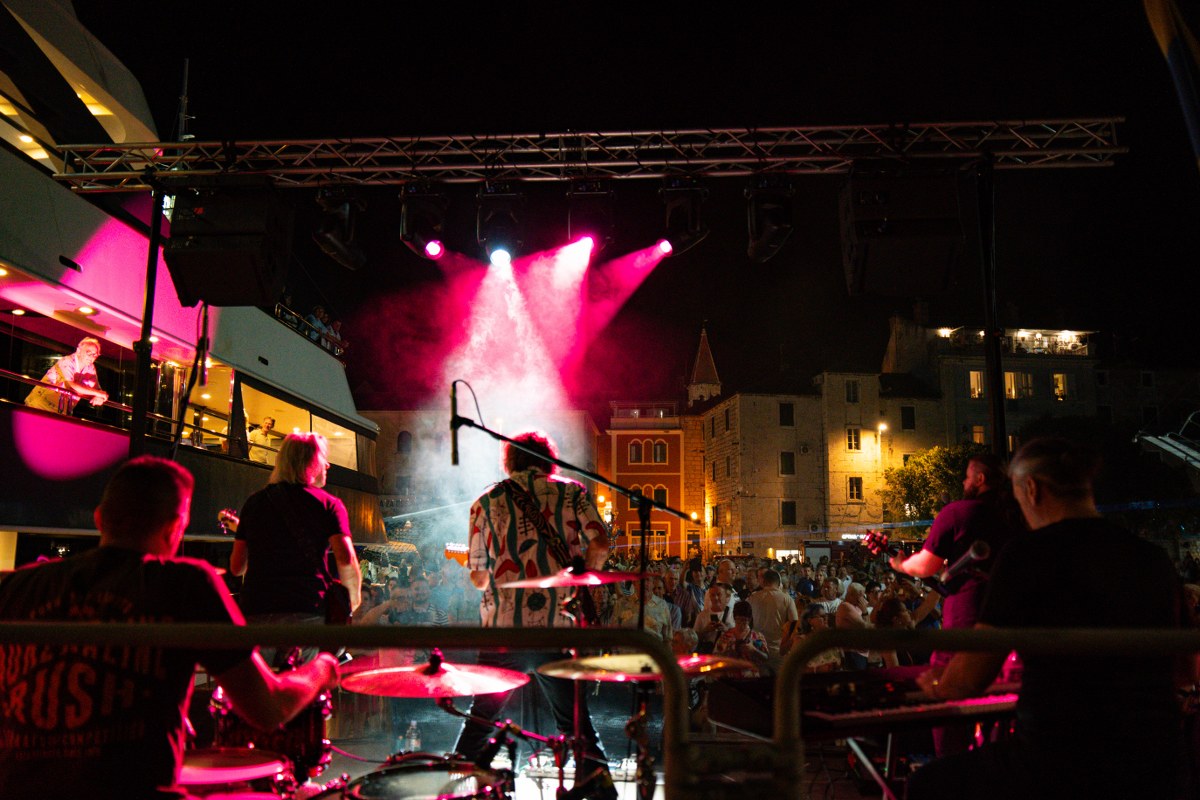
Once the history and the cooking are done, the evening shifts into celebration. At 8:30 PM, Neno Belan and his band take the stage at Veliki mul for a concert closing out the night.
Practical info
- Date: Friday, September 18th, 2026. (and the same date each year)
- Location: Veliki mul, Makarska
- Programme: cooking showdown at 6:30 PM, procession at 7:30 PM, naval battle reenactment at 8 PM, concert by Neno Belan at 8:30 PM. Check out the official programme here.
- Entry: free and open to everyone
- A Croatian Navy vessel will also be open to the public in Makarska harbour throughout the day
PHOTO | GABRIELA BAŠIĆ | TZ MAKARSKA


More Stories to Explore
Tradition&Heritage
Salt-soaked wood and boats at dawn: The fishing tradition of the Riviera

Events
Fishermen’s nights: Catch the spirit of Dalmatia
Tradition&Heritage
Dragons ruled the Riviera long before Game of Thrones

Tradition&Heritage
Before Sinj’s famous alka, there was Makarska’s sea alka

Tradition&Heritage
Echoes in stone: Explore 7 archaeological wonders of the Makarska Riviera

Tradition&Heritage
Franciscan monasteries and the secrets they keep

Tradition&Heritage
Petrified weddings and mountain fairies: The astonishing legends of Biokovo

Activities
Raised by the sea: The remarkable water polo tradition of the Makarska Riviera
