Tradition&Heritage


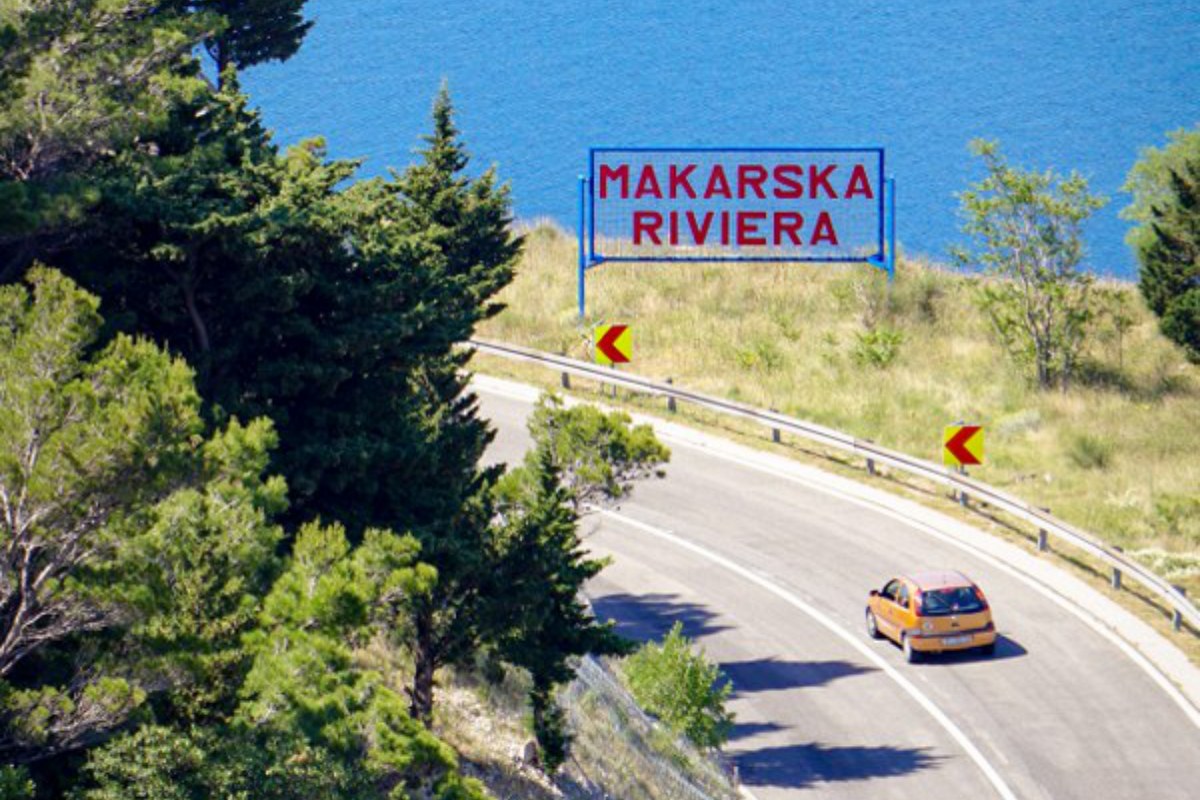
A hundred metres from the sea, right where Makarska begins to give way to pine forest, Vepric appears and the noise just stops. Traffic and beach music fade behind you, and the crowds heading for the water thin out until there’s only a stone grotto tucked into a wooded hillside, a trickle of a stream, and whatever quiet you brought with you.
A little Lourdes on the Dalmatian coast
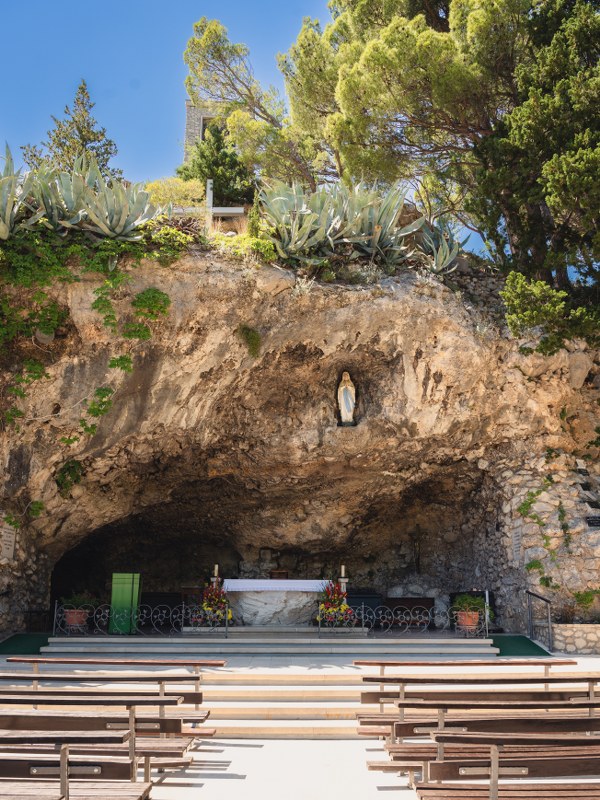
Vepric is a Marian shrine founded in 1908 by Bishop Juraj Carić, modelled directly on the grotto at Lourdes in France. He shaped a natural cave into a place of worship, set a statue of Our Lady inside it, and had it blessed the following February. Locals still call it “Mali Lurd,” Little Lourdes, and the resemblance is deliberate: hillside, greenery, a small stream, all arranged around the same idea of a grotto found rather than built.
What you actually notice there
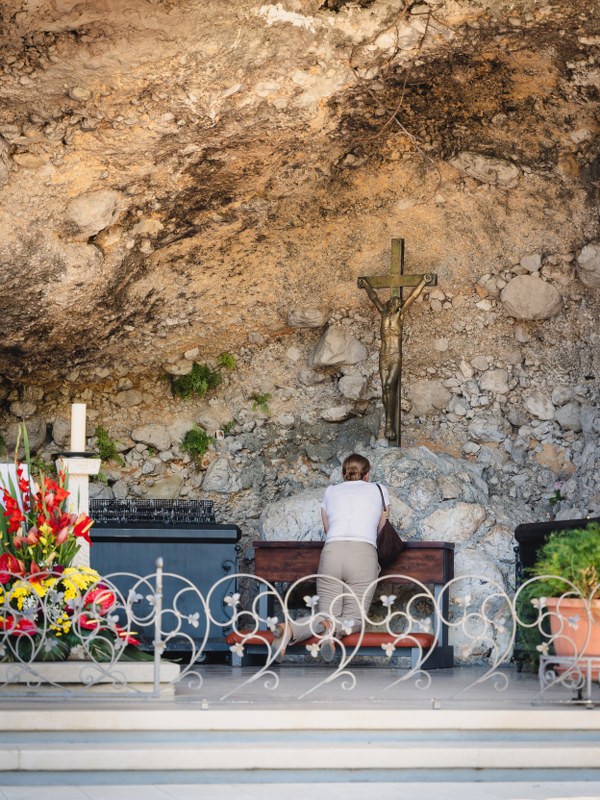
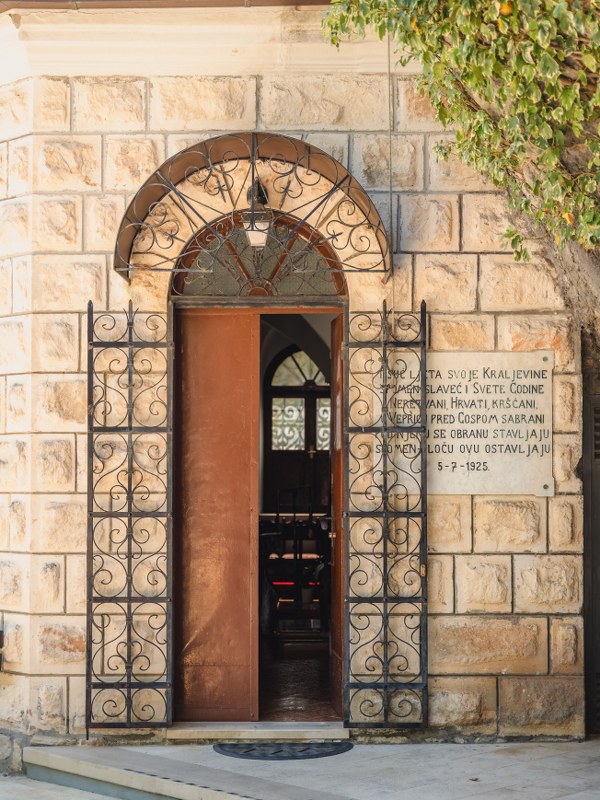
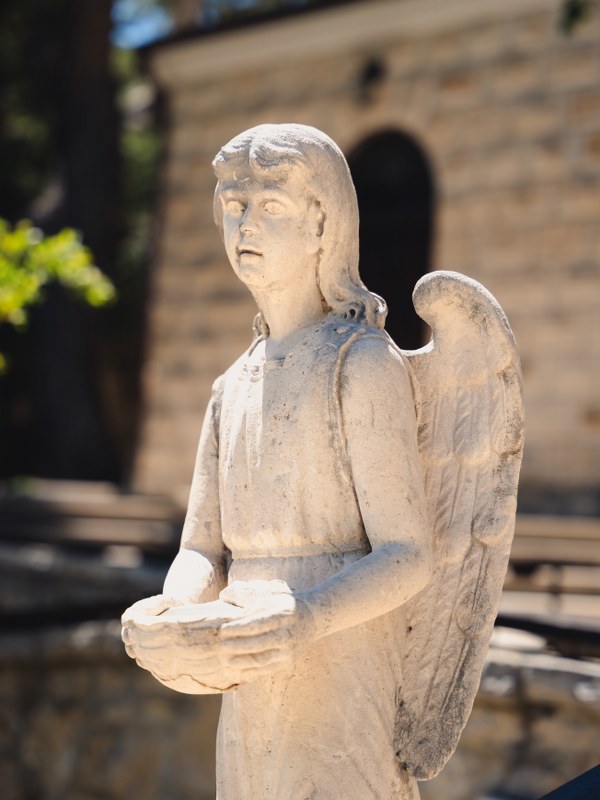
It is the pine trees first, probably, then the sound of the stream, then how much slower everyone seems to be moving. Visitors consistently describe Vepric as one of the calmest spots on the entire Makarska Riviera, and it is easy to see why once you are standing in it. The chapel, the open-air altar, the Stations of the Cross winding along the path- none of it feels staged. It feels like a place that was already quiet before anyone decided to build something there.
Still very much in use
Bishop Carić is buried here, by his own wish, and the shrine still holds daily Mass and confession. Its biggest gatherings come on the Feast of the Annunciation and around Mala Gospa in early September, when the square in front of the grotto fills in a way that is hard to picture on a quiet Tuesday afternoon. Pilgrims heading further inland to Međugorje have long made a point of stopping here first.