

Tradition&Heritage


Two small museums on this coast hold thousands of stories collected from the seabed. One sits inside a 16th-century Franciscan monastery in Makarska; the other, a private collection in nearby Baška Voda, was built one shell at a time by a single family. Together they make up one of the most overlooked corners of the Riviera’s cultural life — easy to miss, and well worth the detour.
What malacological museums are on the Makarska Riviera?
The Makarska Riviera is home to two separate shell museums: the Malacological Museum of the Franciscan Monastery in Makarska, opened in 1963 and holding over 3 000 specimens from the Adriatic and beyond, and the privately run “Morski konjić” (Sea Horse) museum in Baška Voda, built up since the 1980s by local collector Ante Jurišić. The two are independent institutions with different origins, though both trace the same passion for what the sea leaves behind on this coast.
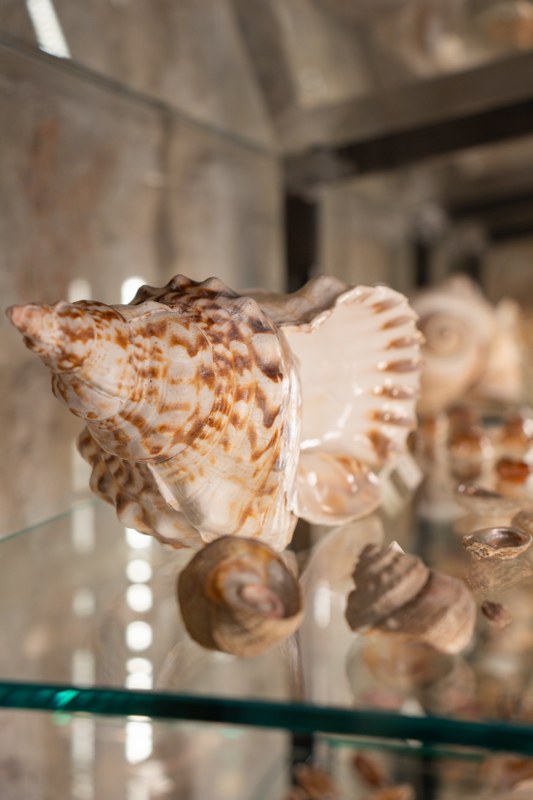
Malacological museum in Makarska
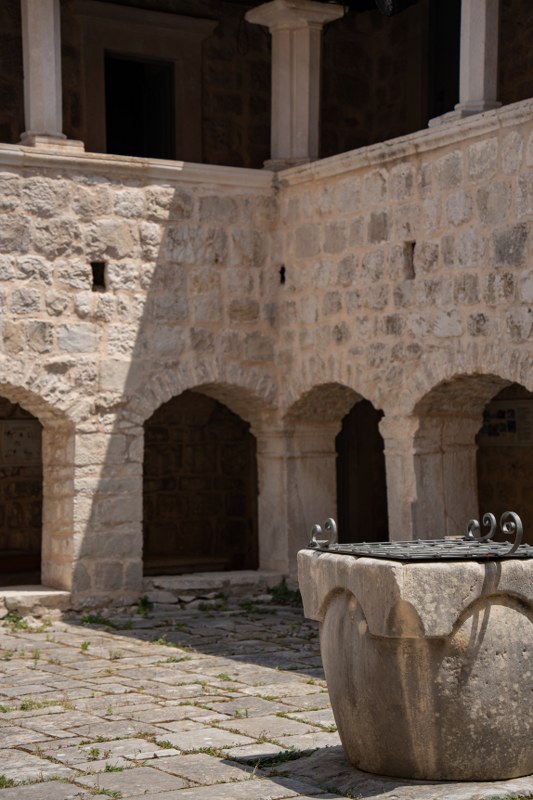
It all started in 1963, when a sailor’s son and an esteemed monk, Friar Jure Radić, collected a few shells on the local beaches. The museum opened to the public on 30 April that year, inside the old wing of the Franciscan Monastery of St. Mary, a stone complex built around 1540 and one of the Riviera’s most valuable cultural landmarks.
Fra Radić was a theologian and natural scientist, born in Baška Voda in 1920 and ordained a priest in 1943. Alongside the shell collection, he explored the flora of Biokovo and the marine life along the Makarska coast, later founding the Institute “Planina i more” (Mountains and Sea) in 1979 and the scientific journal Acta Biokovica in 1981. He died in Split in 1990.
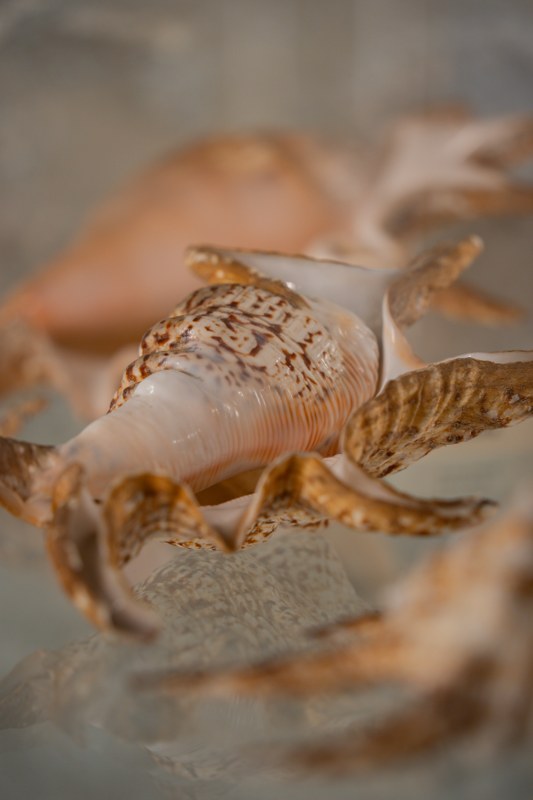
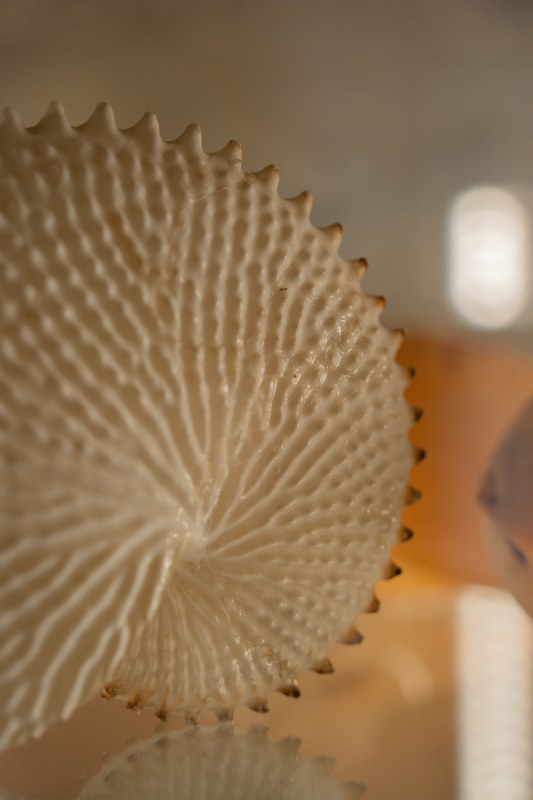
Over 3 000 specimens on display
While it tracks the rich marine life of the local coast, the museum also holds tropical species and rare shells from Hawaii, Madagascar, Indonesia, the Caribbean, Australia, the Great Barrier Reef and even Antarctica. Alongside the shells, it preserves a herbarium of Biokovo mountain plants and a small fossil collection—ammonites, rudists, and algae —remnants of the ancient Tethys Sea that once covered this land.
Planning your visit
Location: inside the Franciscan Monastery of St. Mary, in the old town of Makarska.
Hours: these have changed several times over the years and vary by season — recent hours have run Monday to Friday from 9:00 AM to 3:00 PM and Saturday from 9:00 AM to 1:00 PM, closed Sundays. It is worth checking current hours before you go, since sources vary between summer and winter schedules.
Contact: malakoloska.zbirka@gmail.com | +385 99 4639 293 | https://malakoloski-muzej-makarska.eu/
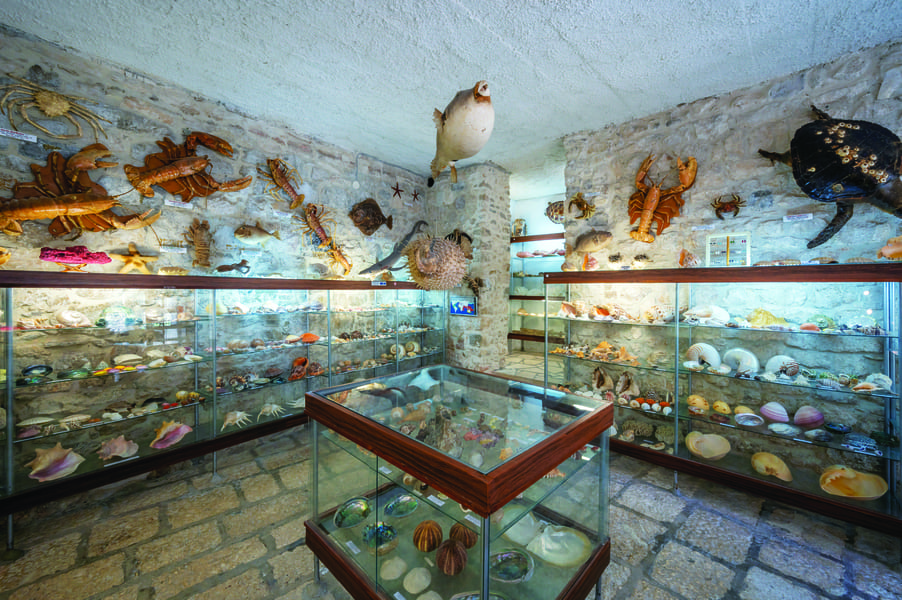
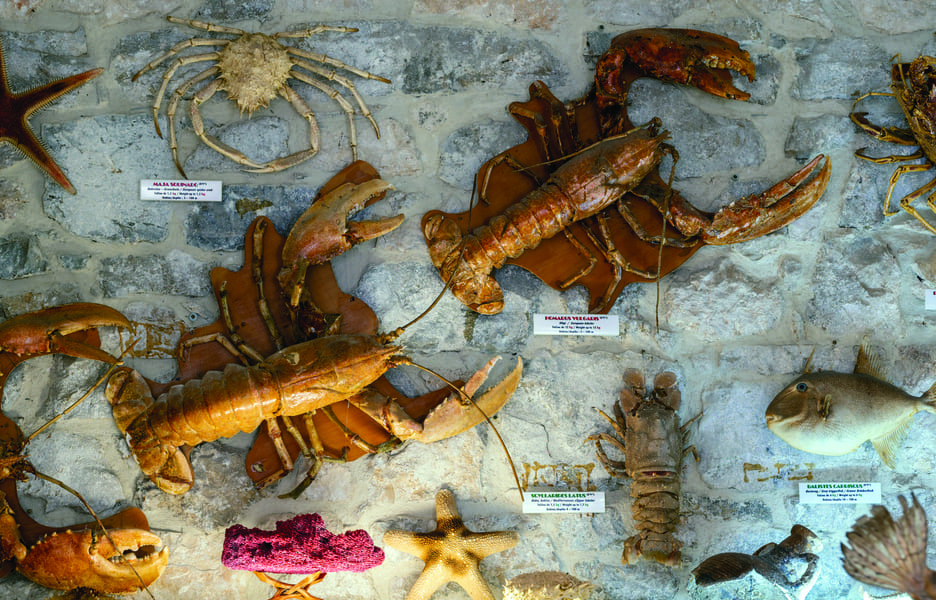
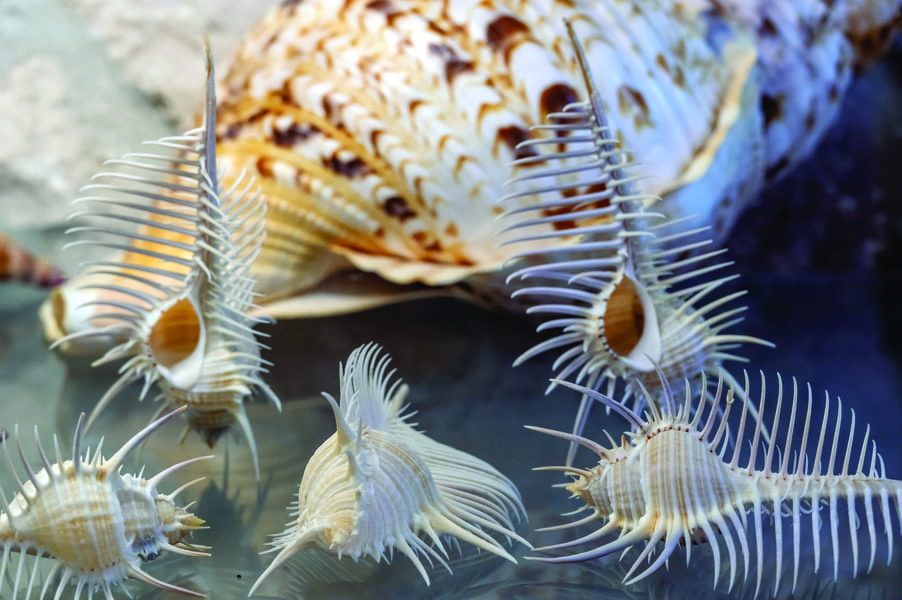
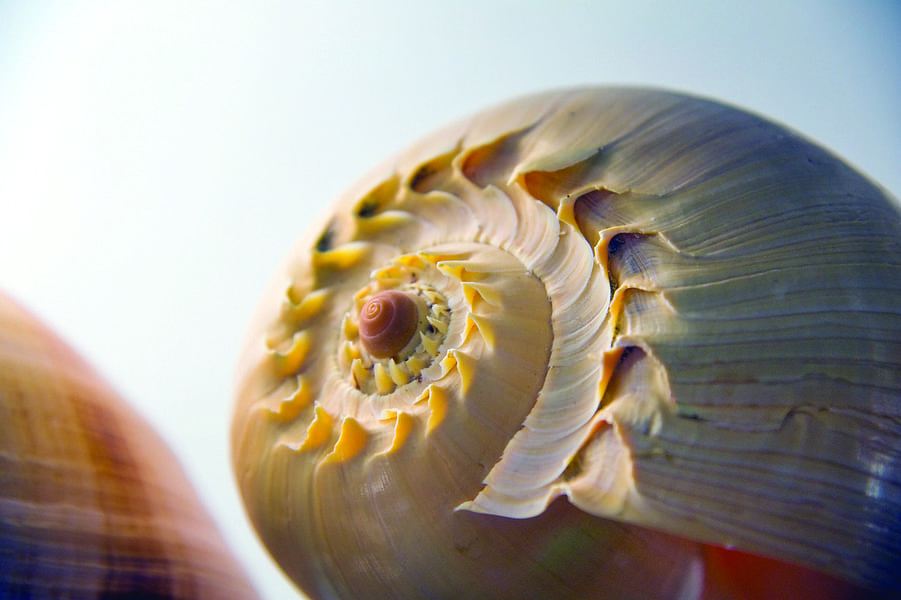
Malacological museum in Baška Voda
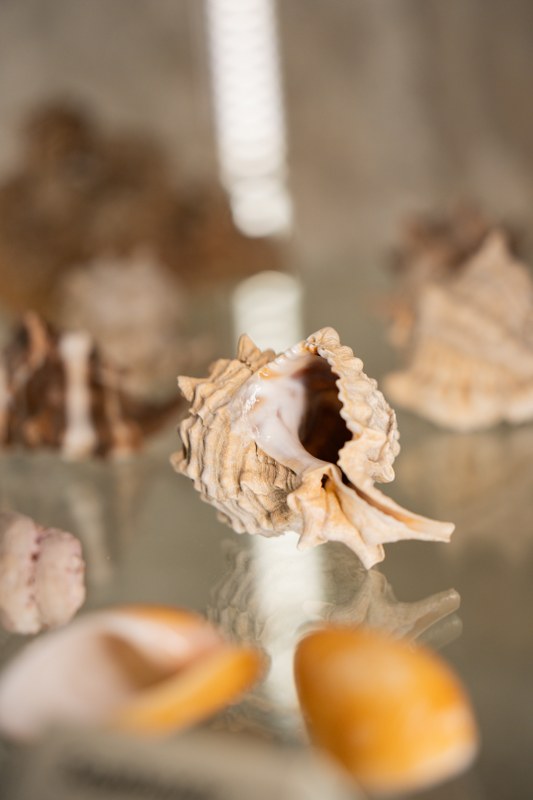
A short drive north of Makarska, Baška Voda hides its own sea treasures. The “Morski konjić” (Sea Horse) malacological museum is a separate, privately run collection built since the 1980s by local collector Ante Jurišić as a personal project born of his love for the sea.
The collection began with local marine life, shells, fish, and crabs from the waters around Baška Voda and the Adriatic, but soon expanded to include unique specimens from the Atlantic Ocean. It is a place where local deep-sea shells share the shelves with unusual, colorful species brought in from the other side of the world, perfect for a quick cultural detour right after the beach.
Planning your visit
Location: Srida 3, Baška Voda.
Hours: open daily except Sunday, from 10:00 AM to 12:00 PM and 6:00 PM to 10:00 PM, but it is worth confirming locally, especially outside peak summer months.
Contact: +385 (0)21 620 261
Between the two of them, these malacological museums hold a version of the Riviera most visitors never see — not the coastline itself, but everything the sea has quietly deposited on it over millions of years. A cloudy afternoon, a break from the beach, or a curious hour in the old town is all it takes to find it.
PHOTO | TZ MAKARSKA (GABRIELA BAŠIĆ FOR MALACOLOGICAL MUSEUM MAKARSKA) | TZ BAŠKA VODA (LJUDEVIT BLAGEC)


More Stories to Explore
Tradition&Heritage
Franciscan monasteries and the secrets they keep

Tradition&Heritage
Echoes in stone: Explore 7 archaeological wonders of the Makarska Riviera

Tradition&Heritage
The origin of the Dalmatian dog: a 300-year-old painting hidden in Zaostrog
Tradition&Heritage
The silent archives of the Riviera: Explore the monastic libraries and gardens
