Tradition&Heritage


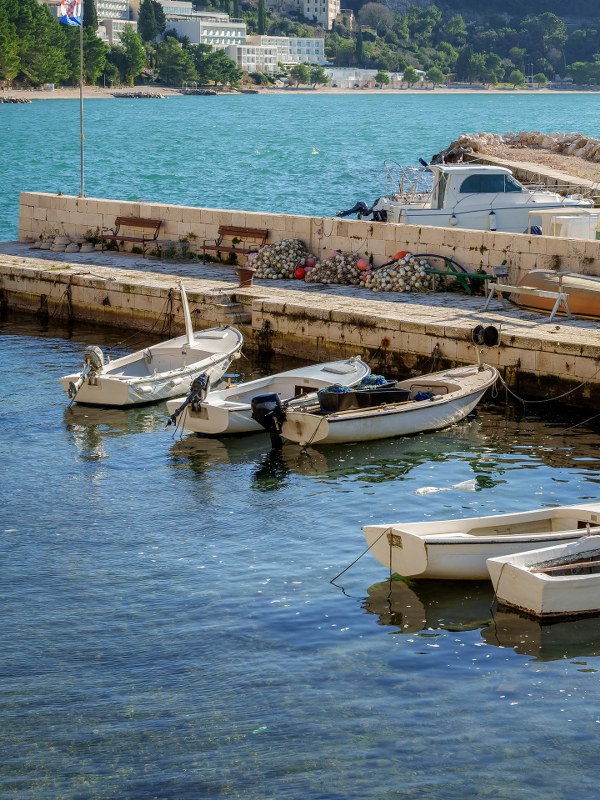
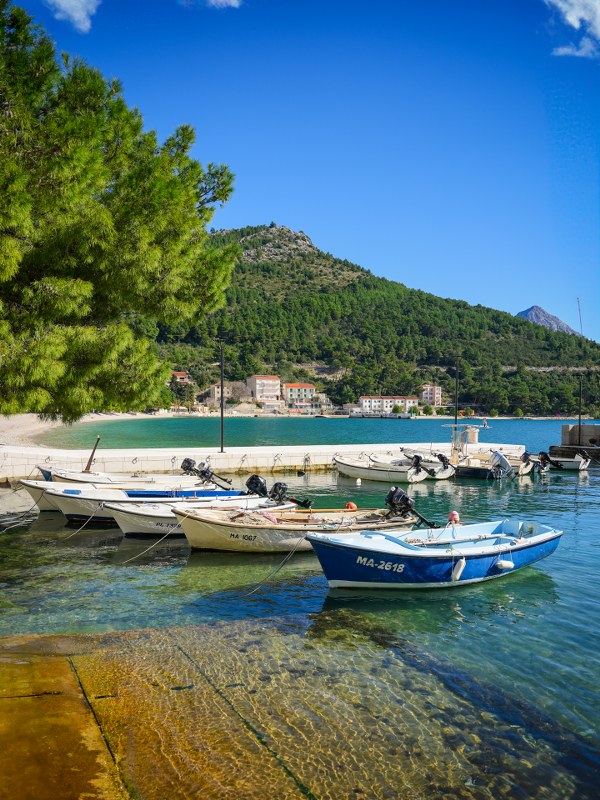
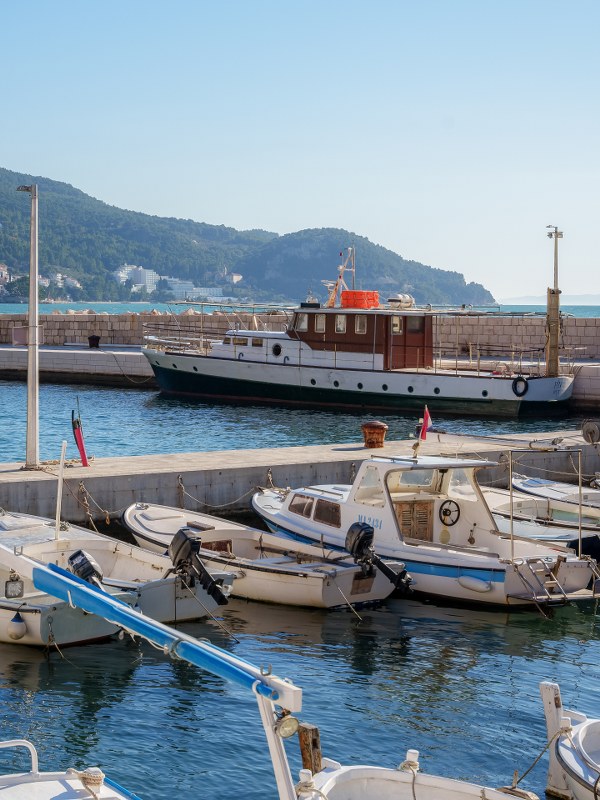
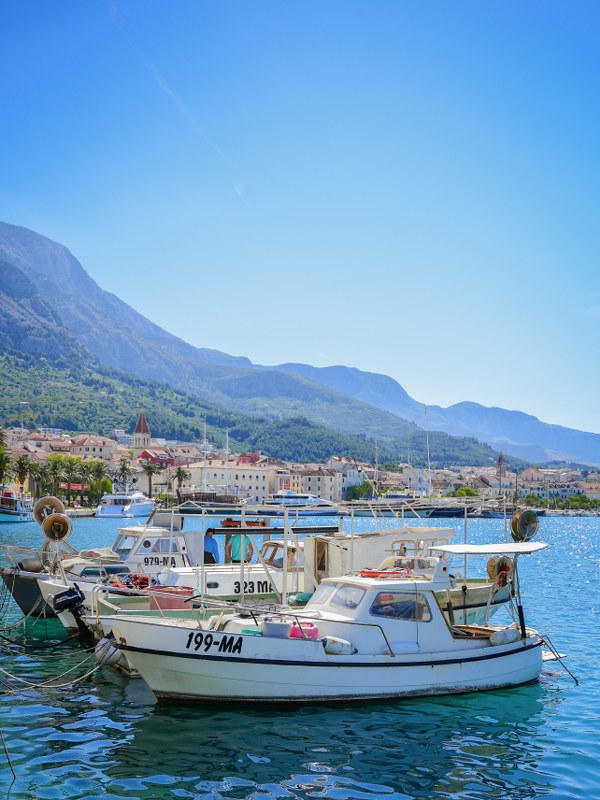
For as long as we can remember, the Makarska Riviera was defined by the sea and the boats that crossed it. Even today, its harbours are living engines of coastal life rather than just scenic backdrops, and every morning, before the sun clears the Biokovo peaks, that old rhythm of sailing out, fishing and casting nets starts again.
What is the fishing tradition of the Makarska Riviera?
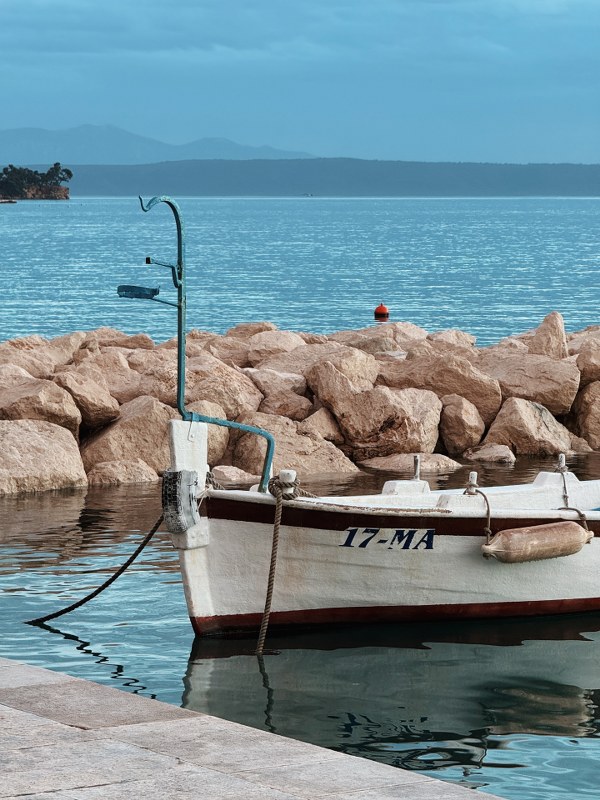
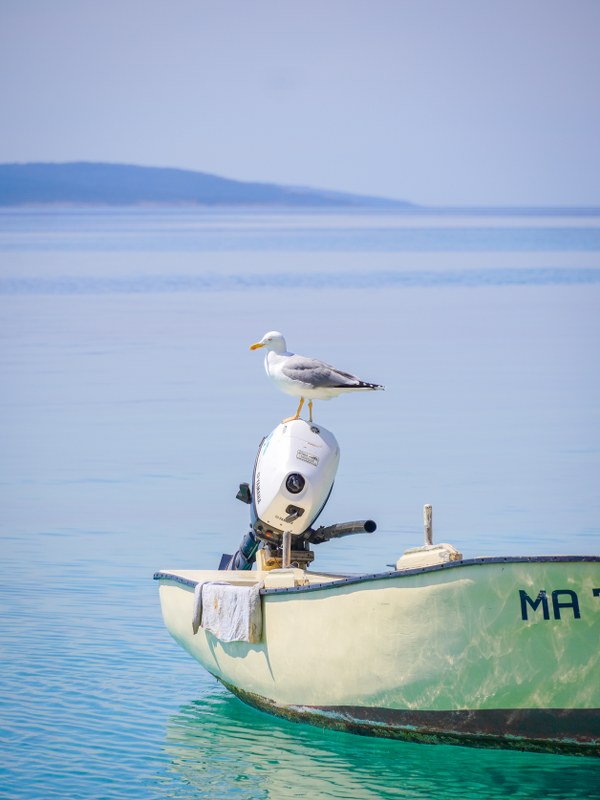
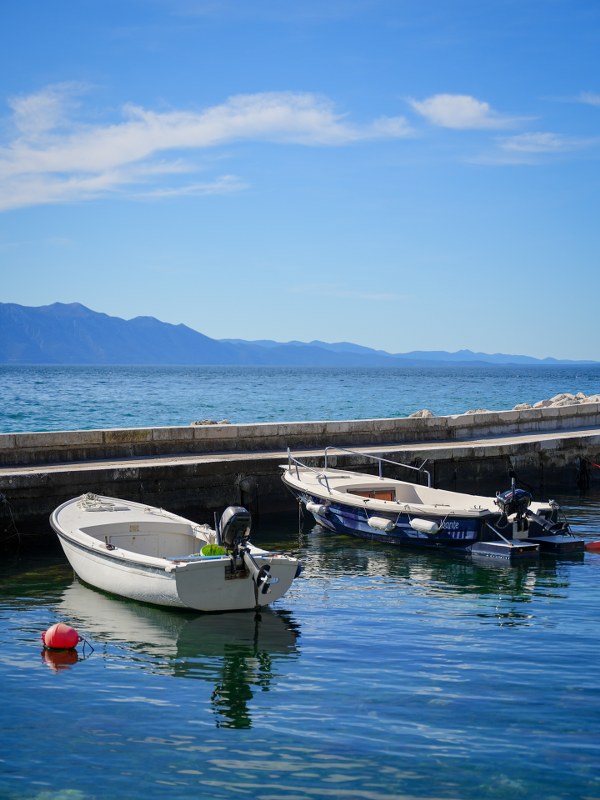
Along the 60 kilometres of coastline that make up the Riviera, small family-run boats still go out before dawn, using methods passed down through generations: nets set the evening before, traps lowered onto rocky seabeds, lines run by hand. The catch lands at the harbour by mid-morning and, more often than not, is on a konoba table by the same evening. It is less a tourist attraction than a way of life that tourism happens to have found.
A rhythm older than the roads
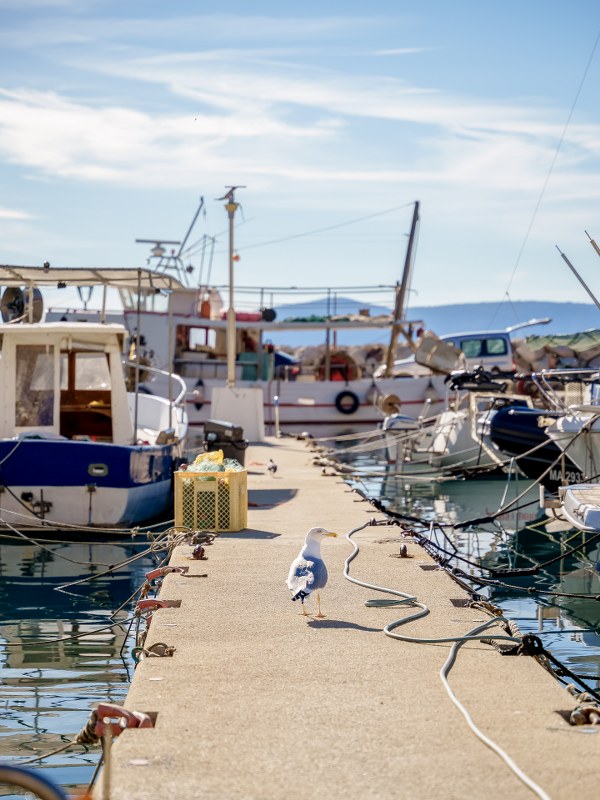
Before the coastal road connected these towns to the rest of Dalmatia, the sea was the road. Villages up and down the Riviera grew around small natural harbours, and fishing was not a summer activity but a year-round necessity. That history has not disappeared; it has simply learned to share the harbour with tourist boats and paddleboards.
The tools of a patient trade
Adriatic fishing has never needed to be complicated to be effective. Traditional nets are still set at dusk and lifted at first light. Woven traps, weighted with small anchors, are lowered onto rocky seabeds and checked a day later. Handlines and long-lines still account for much of what lands on a plate, and older fishermen can tell you exactly which cove holds which fish at which time of year — fishing knowledge that no app has quite managed to replace.
What actually ends up on the plate
The Adriatic here yields sardines (srdele), sea bass (brancin), gilthead bream (orada), squid (lignje) and whatever else the season and the depth allow. None of it needs much help in the kitchen. True Mediterranean luxury, on this coast, has very little to do with plating and everything to do with the freshness of the ingredient and the story of how it got there: straight from a net or a line, not from a freezer truck.
Where the fishing tradition meets the table
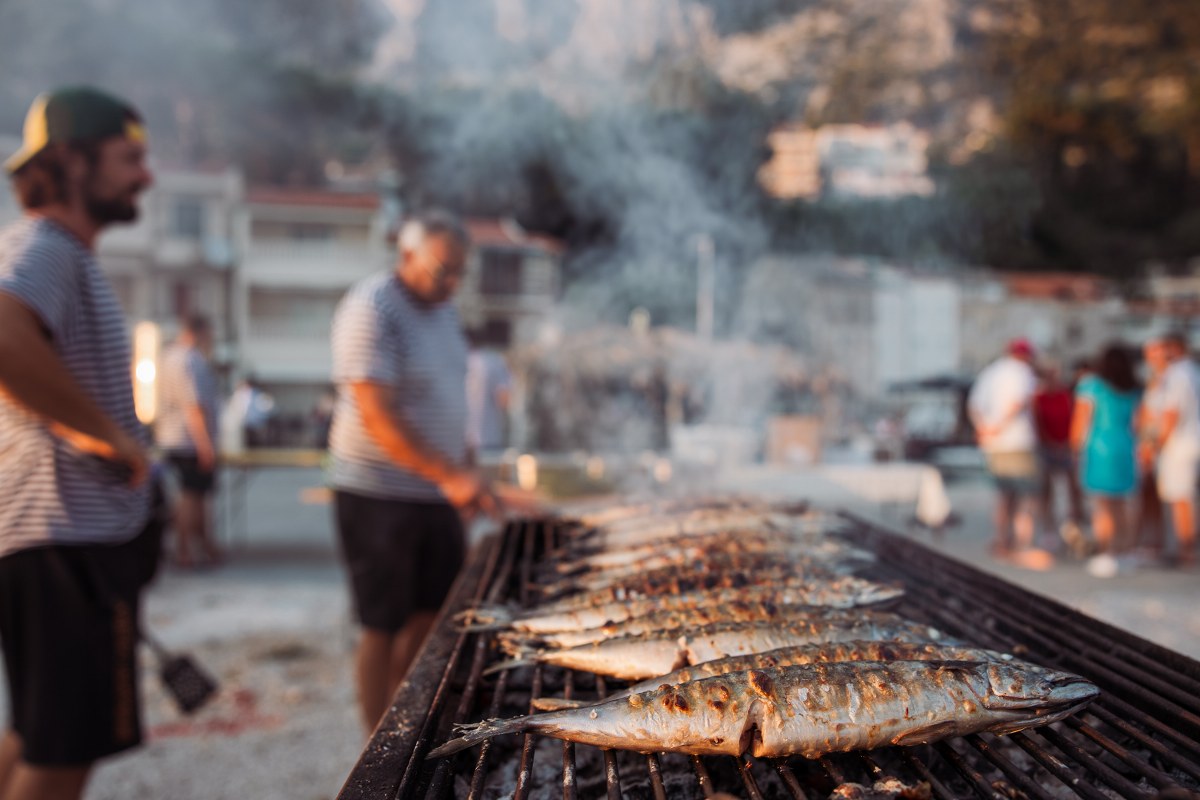
Next time you are by the waterfront, look out for the boats coming in, pull up a chair at a local konoba, and order the catch of the day. Enjoy the simplest, but tastiest dishes: just fresh fish, sea salt, olive oil, and generations of heritage doing the work a long ingredient list usually tries to fake. This is also the same spirit behind the Riviera’s traditional fishermen’s nights, held throughout the summer in towns up and down the coast.
Fishermen’s nights: the tradition travels all summer
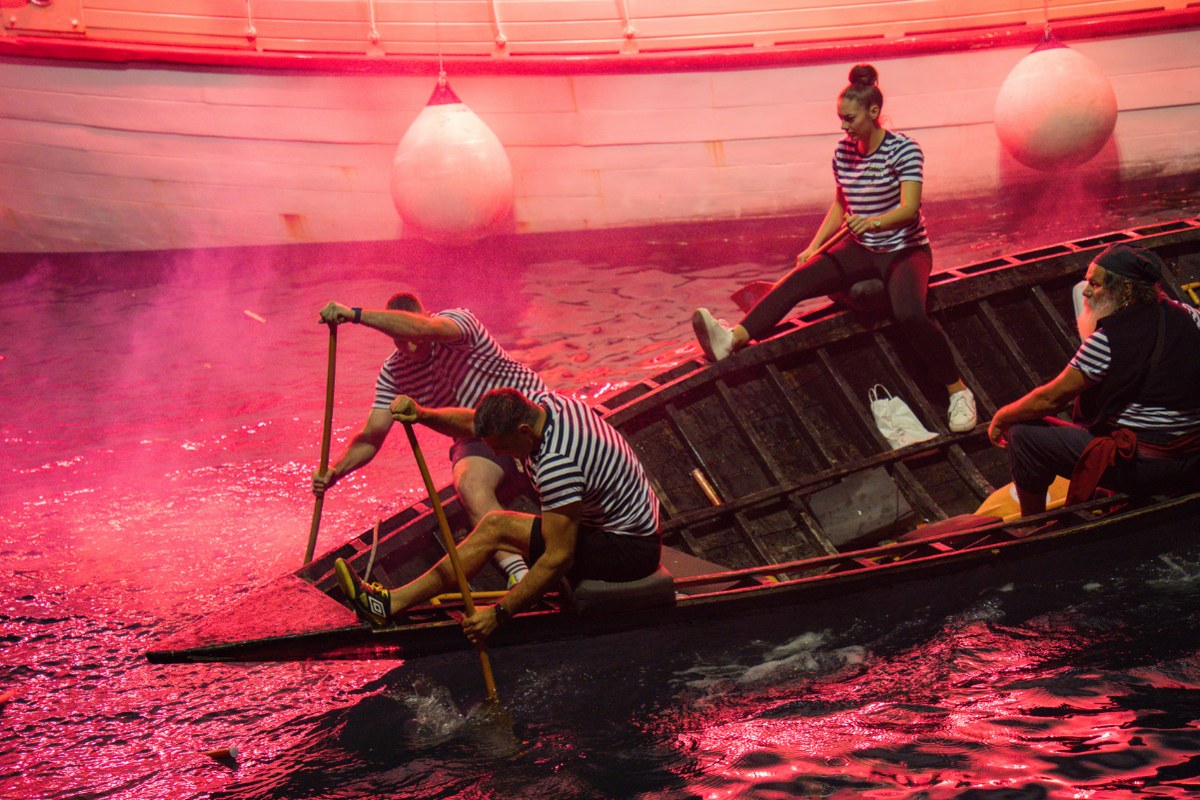
Fishermen’s nights are one of the most beloved traditions on the Riviera: evenings celebrating fishing, filled with local food, music, handcrafted souvenirs and the unmistakable charm of coastal life. What makes them special is that they don’t belong to just one town. Through the summer, the tradition moves along the coast, stopping in Brela, Baška Voda, Makarska, Tučepi, Podgora, Igrane, Živogošće and Gradac.
If the event isn’t happening in the town where you’re staying that week, don’t worry because the next fishermen’s night may be just a short drive away. In less than fifteen minutes, you can find yourself in another coastal town, stepping into a lively evening filled with the aromas of grilled fish, traditional songs and the warm atmosphere of local gatherings. Along the way, you’ll discover new corners of the Riviera — small harbours, promenades and viewpoints you might have otherwise missed. It is the same fishing culture from earlier in this post, just handed straight to you on a plate, with a live soundtrack.
The Makarska Riviera was shaped by the sea long before it was shaped by tourism, and that order has never quite reversed. The boats still go out before the sun clears Biokovo. The nets still come up salt-soaked and heavy. And somewhere along this coast tonight, someone is grilling tonight’s catch with nothing more than salt, oil, and a recipe that was never written down because it never needed to be.