

Guides
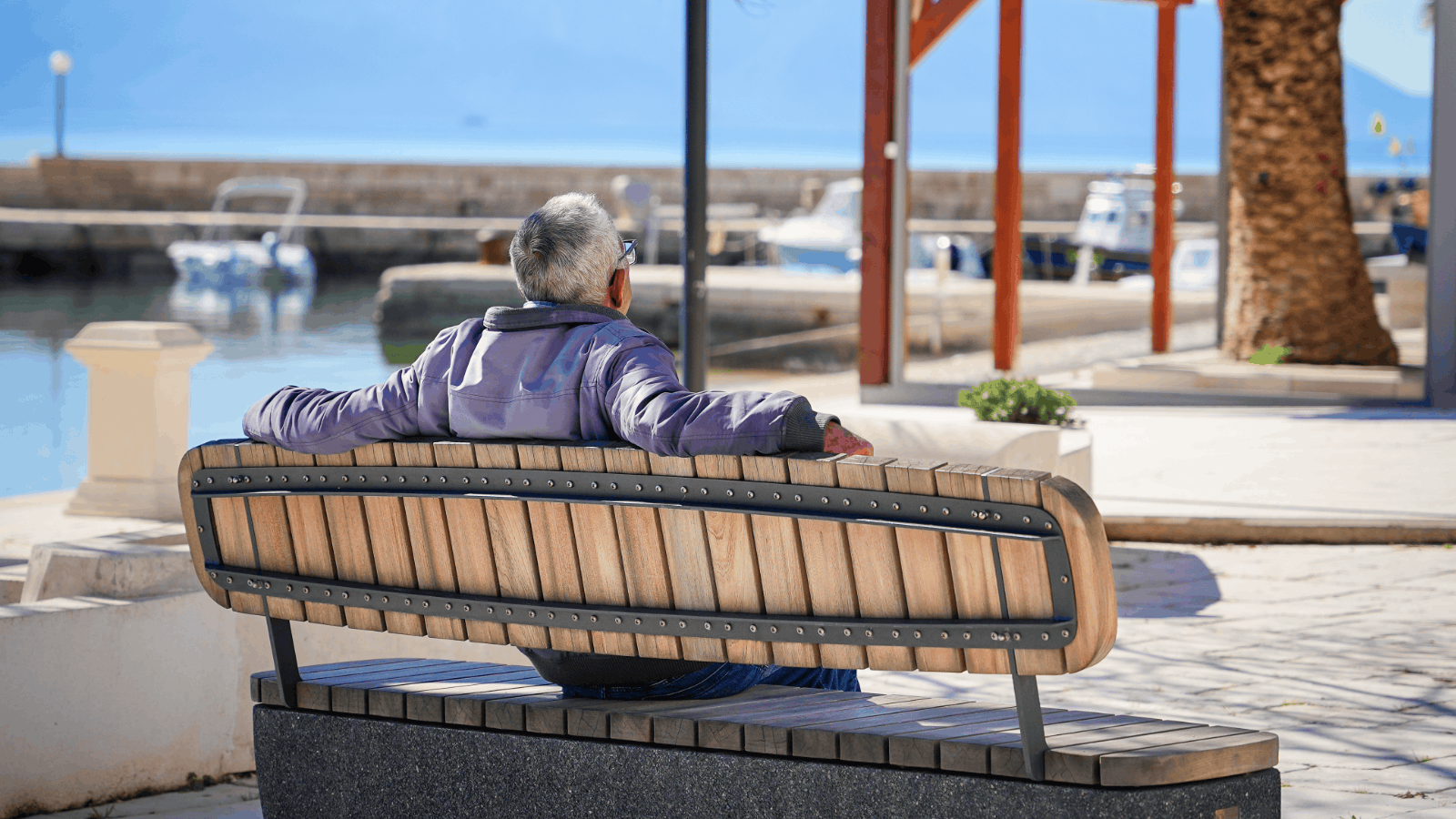
Honest answer first: the Makarska Riviera does not really have a bad season. Each has its own light, menu, and reason to pack a bag. The right time to visit depends on what you came for: a beach you can walk on, a swim before breakfast, a quiet olive-harvest afternoon, a hike without sweating, or an August concert in a town square. Here is the Riviera, season by season, with real numbers, real events and quiet local tips.
A quick snapshot of the climate
The Makarska Riviera gets around 2720 hours of sunshine a year, with July the sunniest and January the cloudiest. July is the driest month, and November the wettest. Daytime highs climb from about 10°C in January and February, through 21°C in May, to around 28°C in July and 29°C in August, then back down to 20°C in October and 15°C in November. For current forecasts and warnings, always check the Croatian National Meteorological Service.
Spring season, March to May
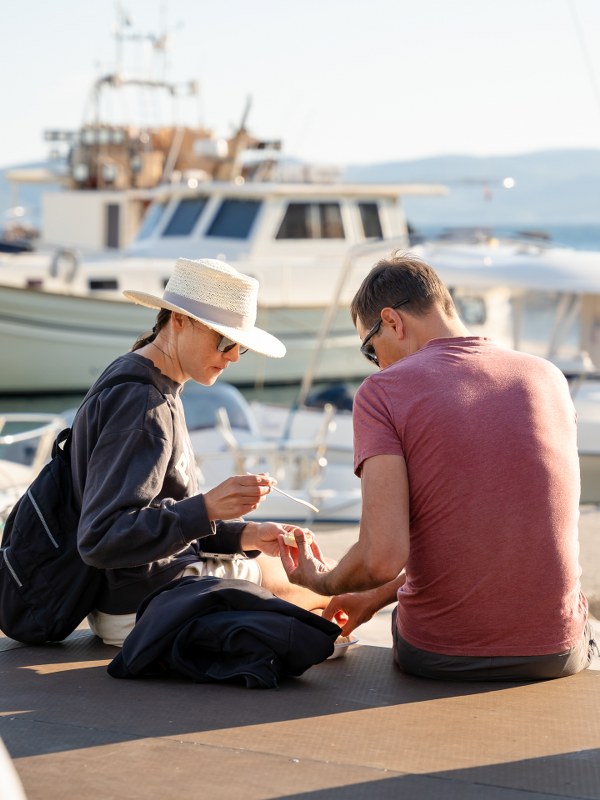
Spring on the Riviera is slow and generous. March warms up to 14°C during the day, April to 17°C, and by May highs reach 21°C with the first comfortable swims in sheltered bays. The hills turn green, the hinterland blooms, and the whole coast smells of pine, rosemary and wild sage. Trails are at their best, and Biokovo’s plant life starts to show its colors.
Spring also marks the Riviera’s full week of food. Autentica Food & Wine Festival runs across Makarska, Podgora, Baška Voda, Brela and Tučepi every May, with show cooking, local chefs, wine tastings and a signature Makarana cocktail.
Summer season, June to August
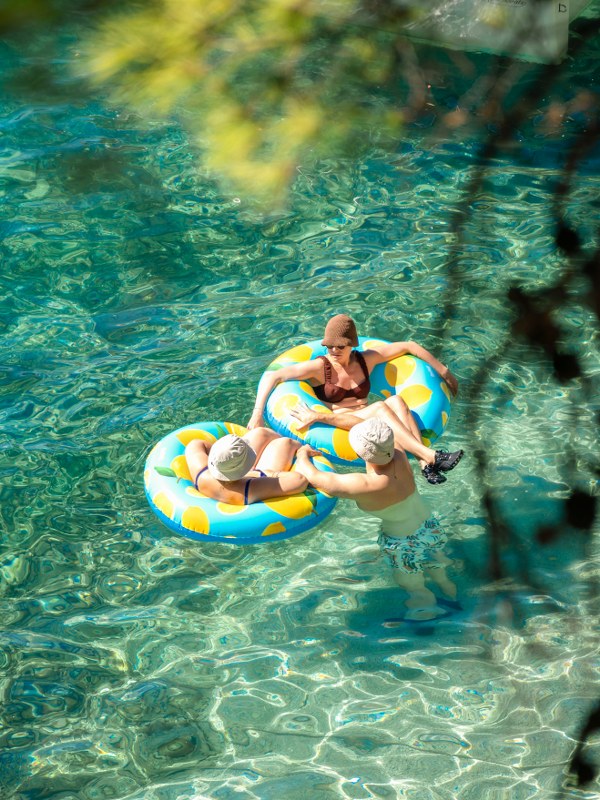
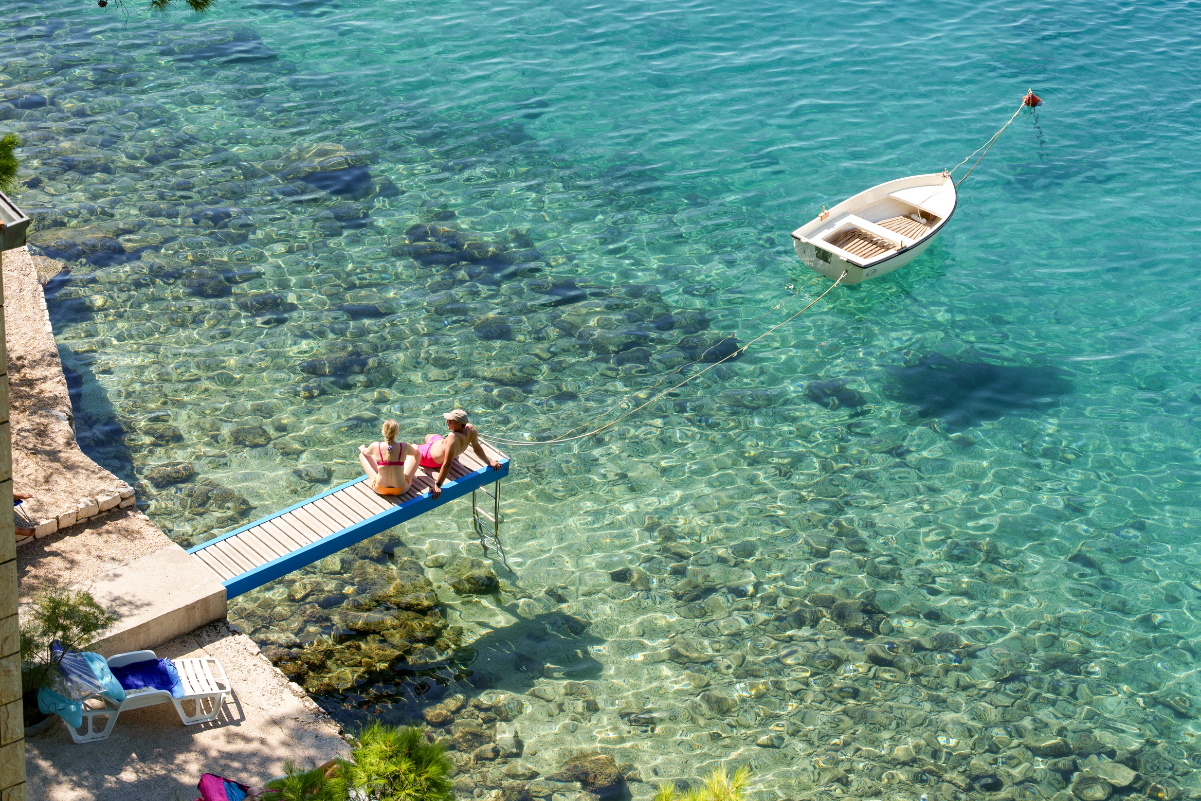
This is the loud season, and for good reason. Daytime highs climb from 25°C in June to 28°C in July and 29°C in August, with the sea climbing in step: around 24°C in June, 26°C in July, 27°C in August. July has about 350 hours of sunshine, more than any other month, and nights stay around 20°C. Expect busy beaches from mid-July to late August.
August is also the Riviera’s festival peak. The night sky peaks mid-month with the Perseid meteor shower, known here as the Tears of St. Lawrence, which is the heart of the Days of the Universe program at the Makarska Observatory. On 26 August, towns along the coast dedicate an evening to the Dalmatian dog with the Black & White Dalmatian Dog Night. For general beach context, our piece on Baška Voda’s famous webcam is a lovely companion read.
Autumn season, September to November
For many returning visitors, autumn is the Makarska Riviera’s best-kept secret. Daytime highs are 24°C in September, 20°C in October, and 15°C in November. The sea stays swimmable well into mid-October, around 21°C, and sheltered bays like Punta Rata in Brela often reward a late swim. September and October are rated ‘very good’ by climate guides, which lines up with what locals already know: fewer crowds, soft light, generous terraces.
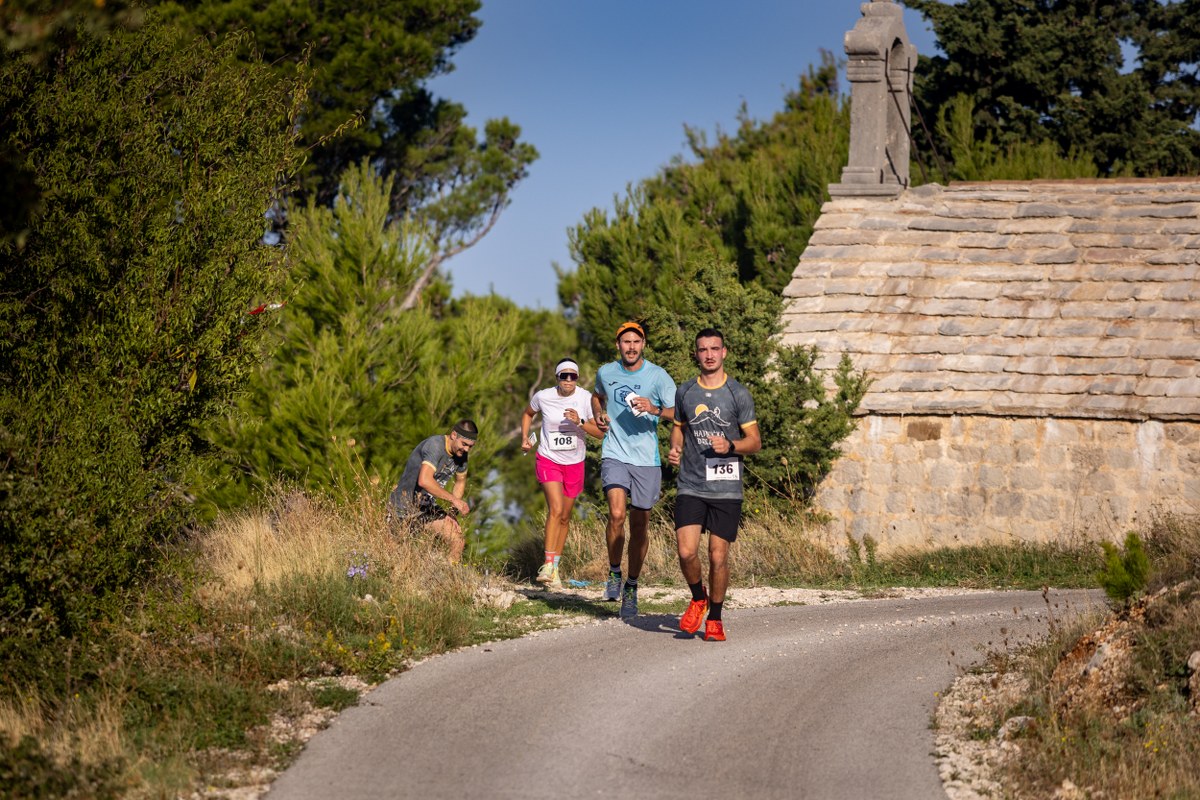
The Riviera also leans into its autumn calendar. The warm spell locals call bablje ljeto extends summer well into October, driven by a stable ridge of high pressure from the Azores. In Podgora, the whole weekend of Blitvijada celebrates Swiss chard with a trail race, workshops and the famous chard-based ice cream. On 18 September, Makarska remembers the naval battle in its harbor with Mucules 887. From mid-October, the olive harvest kicks off, and the first fresh oil appears in konobas and markets, pairing beautifully with the ideas in our Top 5 things to do when the forecast isn’t in your favor blog for less-kind weather days.

Winter season, December to February
Winter on the Riviera is gentle by Central European standards. Daytime highs sit between 10 and 11°C, nights can drop to around 3°C, and November is the wettest month, with about 236 mm of rain. The towns are quieter, many large hotels close or reduce service, and the atmosphere is noticeably more local. For walkers and climbers, this is one of the better seasons: cool temperatures, dramatic light, and crags above Brela and Drašnice that are too warm in summer.
Winter is also the right season for the Riviera’s cultural side: the Franciscan monasteries of Makarska and Zaostrog, the Interpretation Center in Kotišina, Veliki Kaštel, and the museums of Baška Voda and Makarska are all open and welcoming to curious visitors. Many hoteliers run spa and wellness programs through the colder months. Check with TZ Makarska, TZ Brela, or TZ Baška Voda for current programs.
Which season is right for you?
A quick cheat sheet, written as honestly as possible.
For warm swimming: mid-June to mid-September.
For fewer crowds and still warm sea: second half of September and first half of October.
For walking, hiking, and climbing: April, May, October, and early November.
For food, wine, and local events: May for Autentica, August for Dalmatian Dog Night, and September and October for Mucules, blitva, and olive oil.
For an evening of stargazing: mid-August, with the Perseids and the Days of the Universe at the Makarska Observatory.
For a quiet, local coast: December to February, when the Riviera belongs mostly to itself.
Our favorite months on the Makarska Riviera
If we had to pick, we would choose late September and early October. The sea is still swimmable, the pine trees still smell like August, the restaurants are open but calm, and the mountain is finally dry enough for a proper walk. The second contender is May, when the hinterland blooms and Autentica brings the whole coast to the table.
More Stories to Explore
Guides
Why visit the Makarska Riviera: 10 wonderful reasons this coast works every single year
Events
The Riviera calendar: Exciting events to look forward to each year

Activities
Top 5 things to do on the Makarska Riviera when the forecast isn’t in your favor
Events
Lace up, Makarska Riviera: bablje lito calls for trails, bikes and finish lines