

Food&Wine
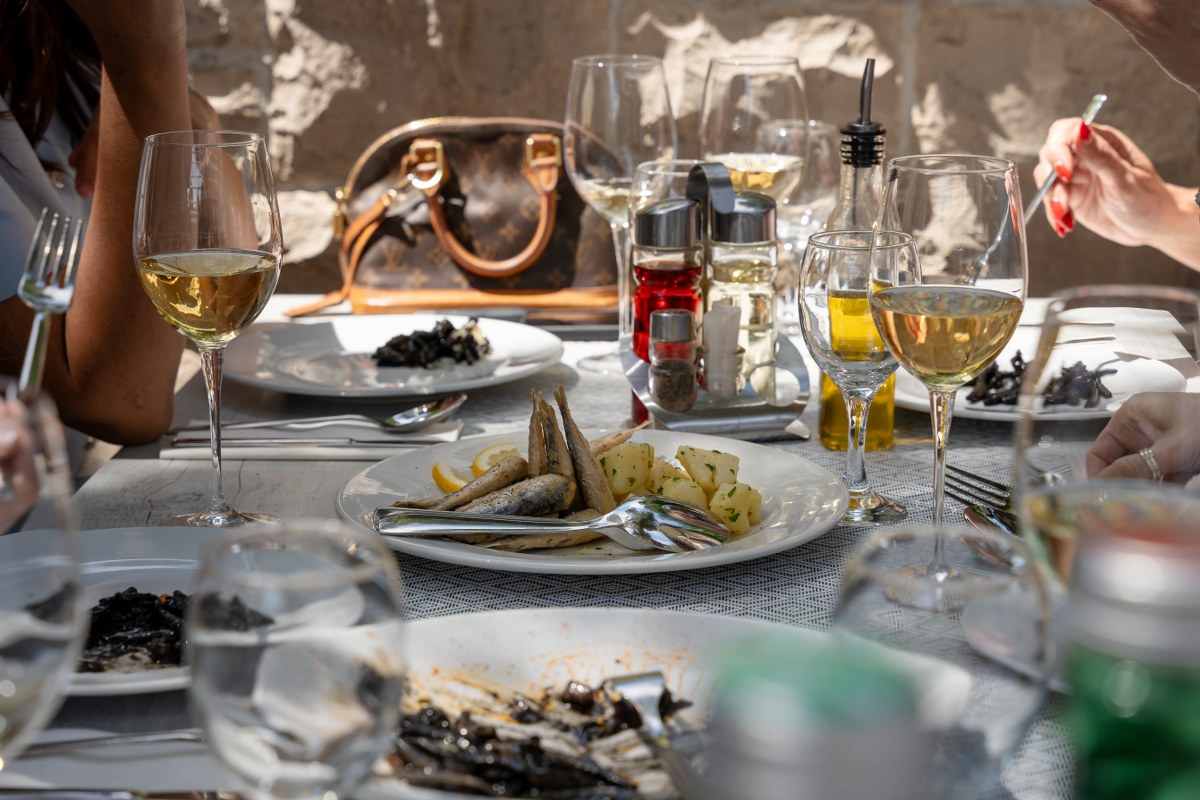
Marenda is a cooked meal eaten in Dalmatia in the middle of the morning, between breakfast and lunch. It is made from simple, local, and seasonal ingredients; it is always eaten in company, and on the Makarska Riviera it is still one of the easiest ways to eat like a local. Forget brunch: Dalmatia has had its own mid-morning meal for generations.
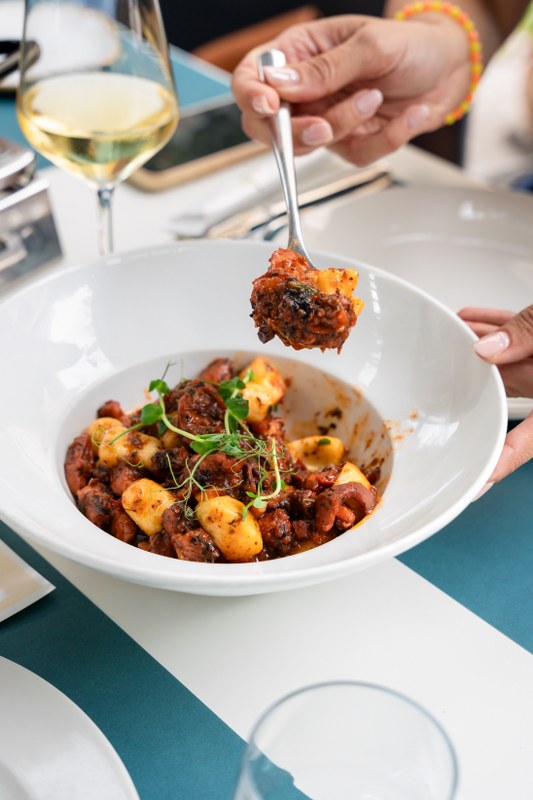
What is Dalmatian marenda?
Marenda is too late for breakfast and too early for lunch. It is not a snack: think of a plate of something warm, a piece of bread, a glass of wine or water, and good company at the table. The Tourist Board of Split-Dalmatia County describes it as a ritual and an authentic experience of Central Dalmatia, the daily moment of sitting down to simple dishes made from local and seasonal ingredients.
Where marenda comes from
The habit grew out of the working day. Fishermen came home from the night’s catch, and farmers came in from the fields after hours of work that started at dawn. By mid-morning they were hungry, and a proper meal was waiting. The work has changed over time, but the habit stayed, and today marenda is as much about the company as it is about the food.
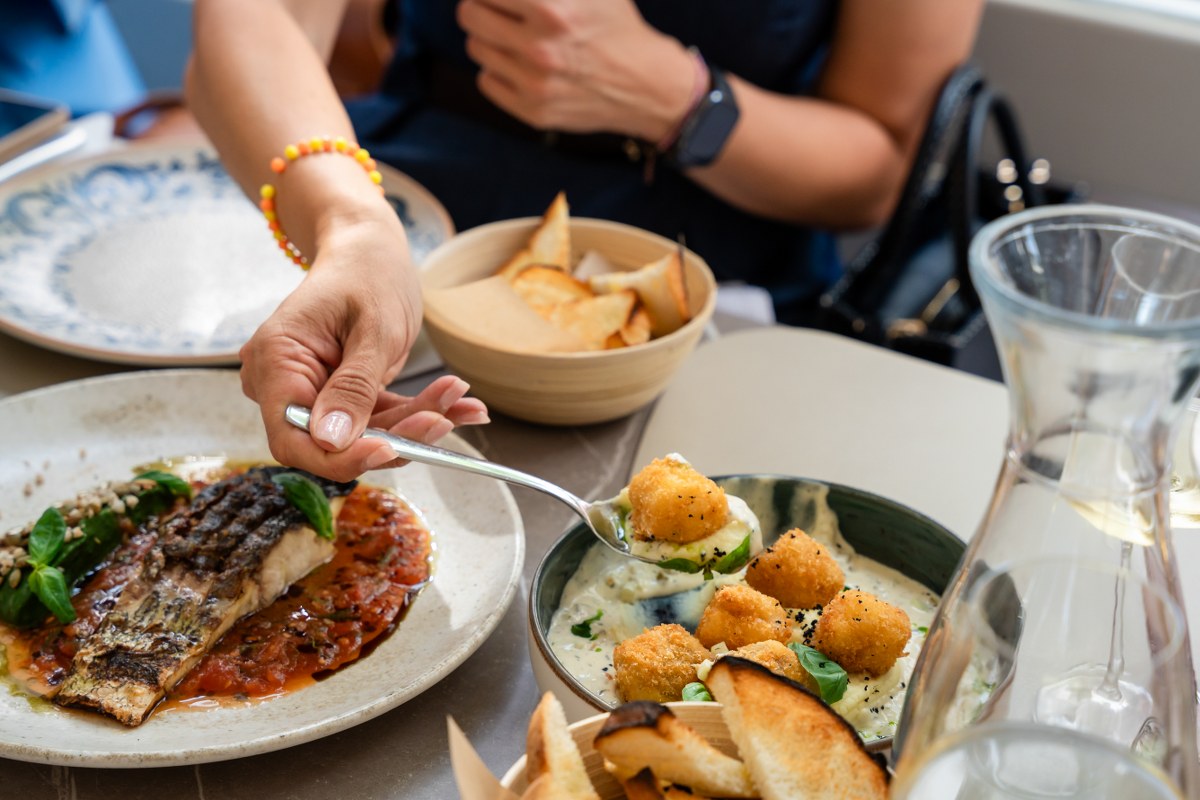
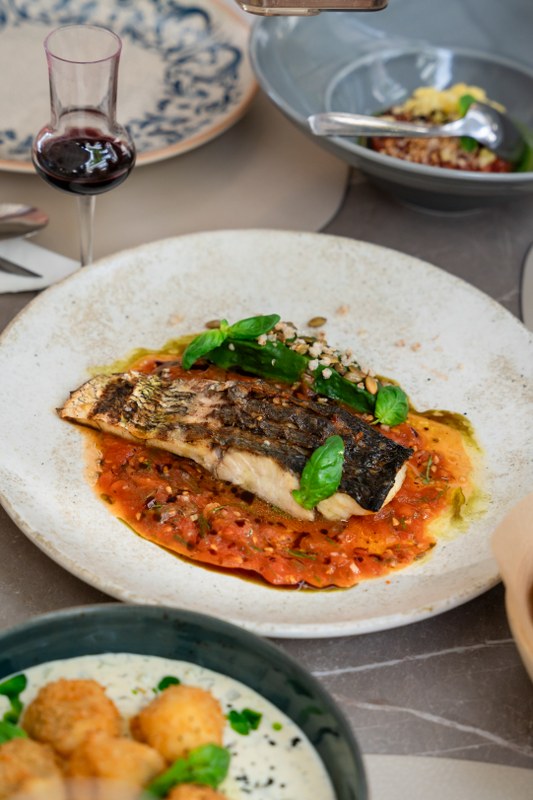
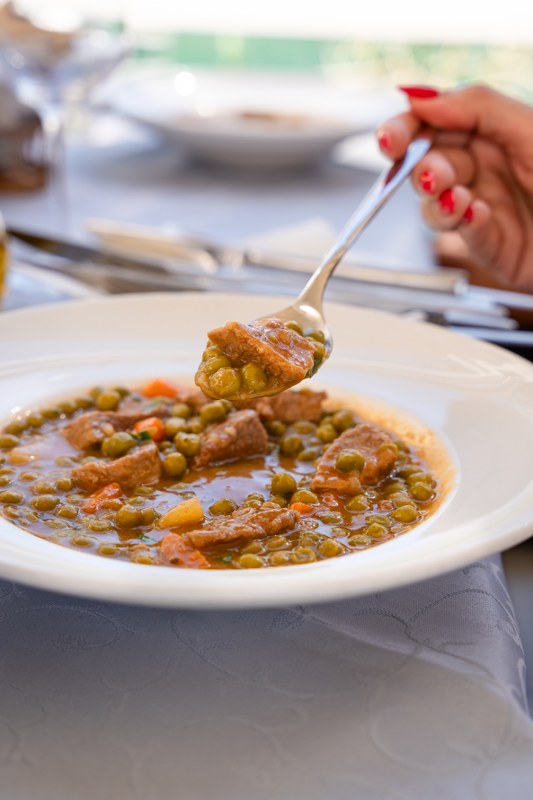
What to eat: here are some typical dishes
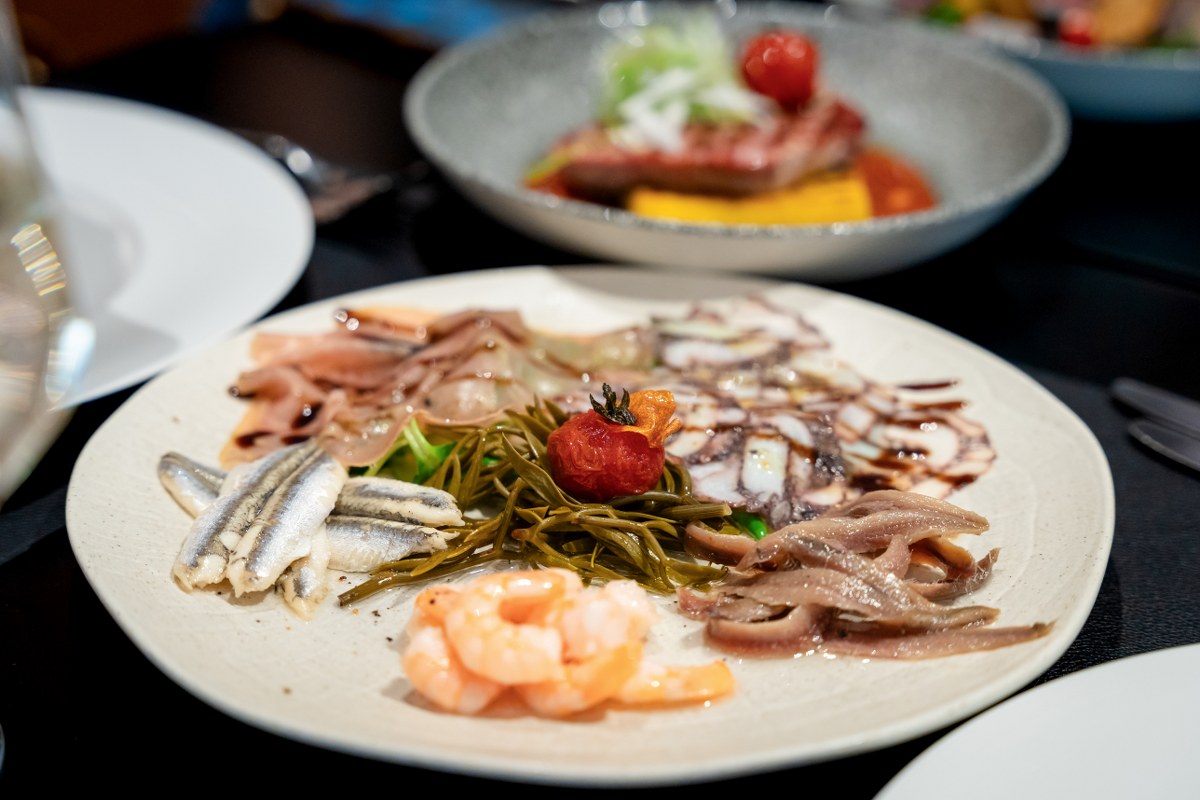
There is no fixed menu. Marenda is whatever is in season and already in the pot, fried, stewed, or slow-cooked. Dishes you can expect to find include:
Fried girice: small fish, fried until crispy and eaten whole
Tripice: tripe slowly cooked in tomato sauce
Fritaja: a Dalmatian frittata made with whatever the garden offers
Codfish “bjanko”: salt cod cooked in a white sauce with potatoes
Brodotto with polenta: a tomato-based fish stew
Gregada: a fish stew with potatoes and onions
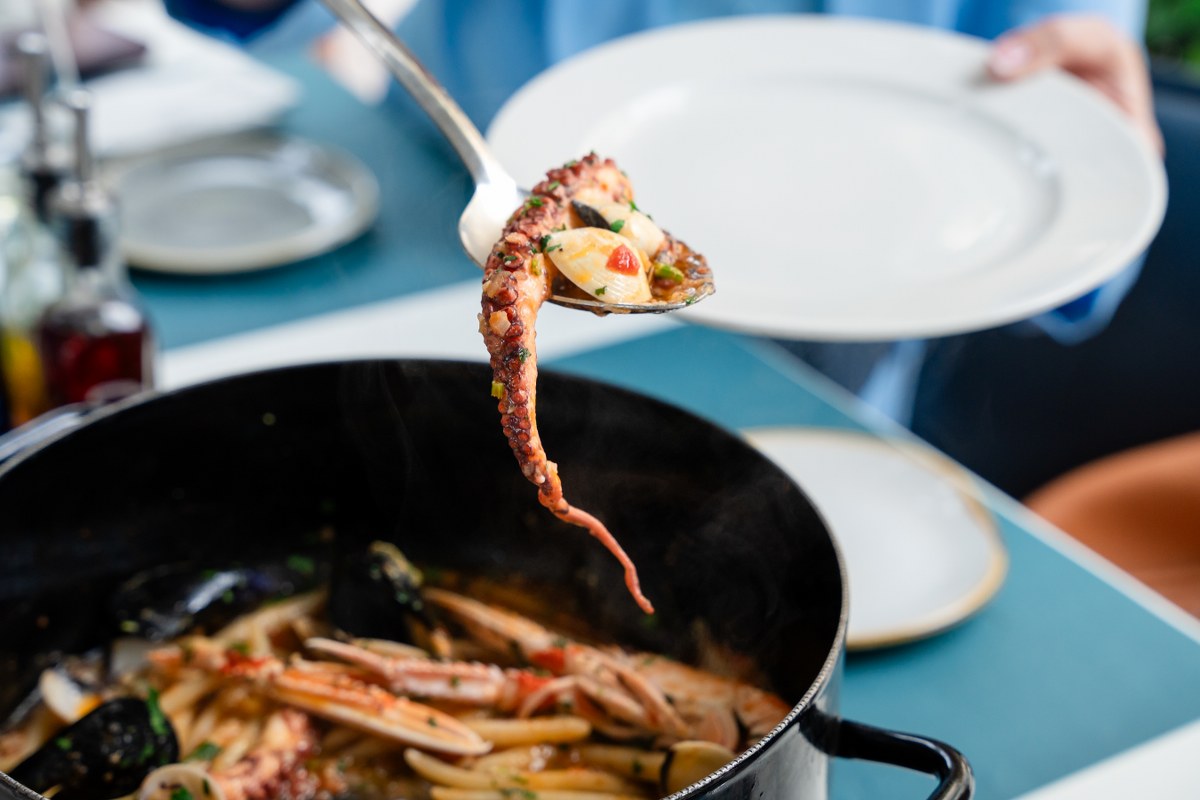
Octopus stew, lamb with peas, chicken stew and meatballs in sauce
Cuttlefish with broad beans: often served with pasta
Marenda in the olive grove
October and November are olive harvest season on the Makarska Riviera, and marenda moves outdoors. Between the nets and the buckets, families still stop to eat together in the shade of the trees before the olives go to the press. If you visit in autumn, you might see it happening on the terraces above the coastal villages.
How to order like a local
Come mid-morning. This is a late-morning meal, so plan it before lunchtime crowds.
Skip the menu. Ask what is cooking today. The best dishes are often the ones not written down.
Take your time. Nobody rushes a marenda.
Through the project’s workshops, restaurants also learn to adapt their offer to guests’ needs, including gluten-free and vegan diets, so it is worth asking if you have dietary requirements.
Marenda all along the Riviera
Marenda is part of everyday life along the whole coast, and it is valued well outside the Riviera too: the Tourist Board of Split-Dalmatia County runs a Dalmatian Marenda project to bring traditional dishes back to restaurant tables.
There’s even a TV series of 15 short episodes, filmed along the coast, the islands and in the hinterland, including Makarska, and broadcast on national television. Watch it here.
So wherever your base is, it pays to look around. From Promajna and Krvavica to Igrane, Živogošće, Drvenik, Zaostrog, Podaca, Brist and Gradac, the next village is often only about ten minutes away by car, and each has its own rhythm, its own catch of the day and its own family recipes. Some of the most memorable marendas happen in places you only meant to drive through.
When marenda took over the riva: Autentica
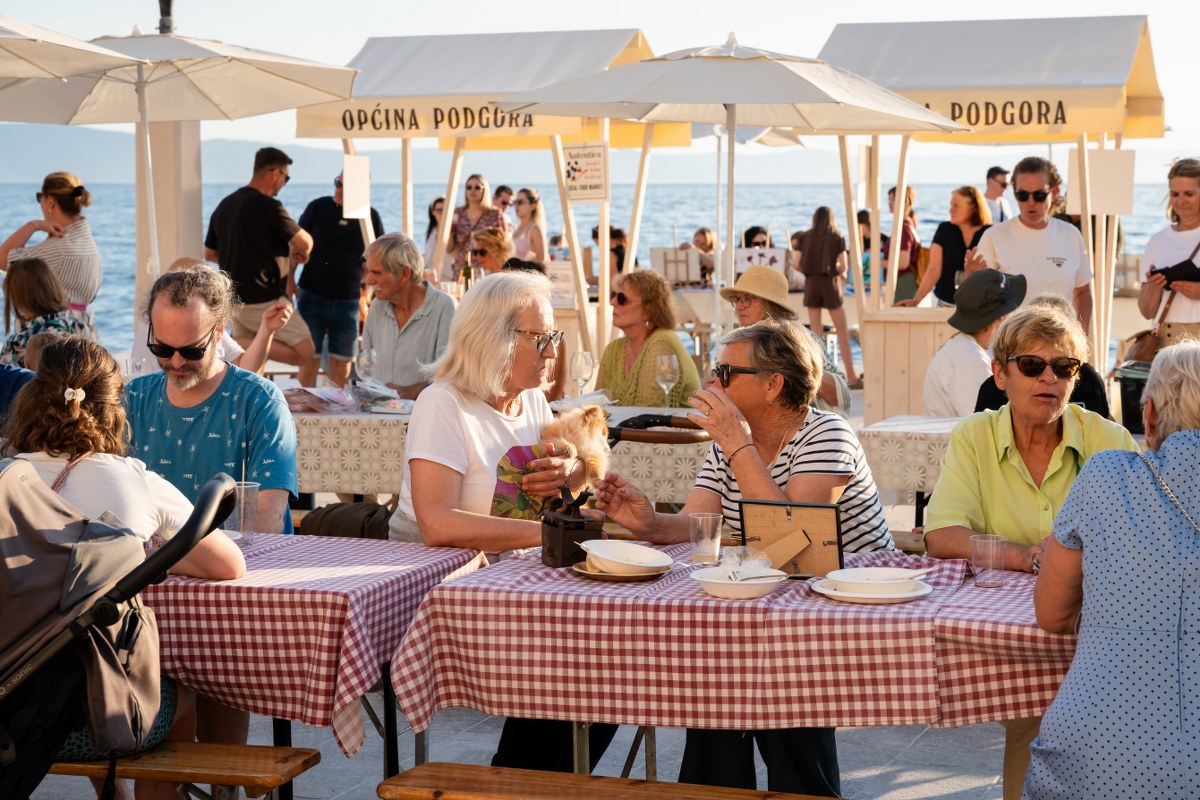
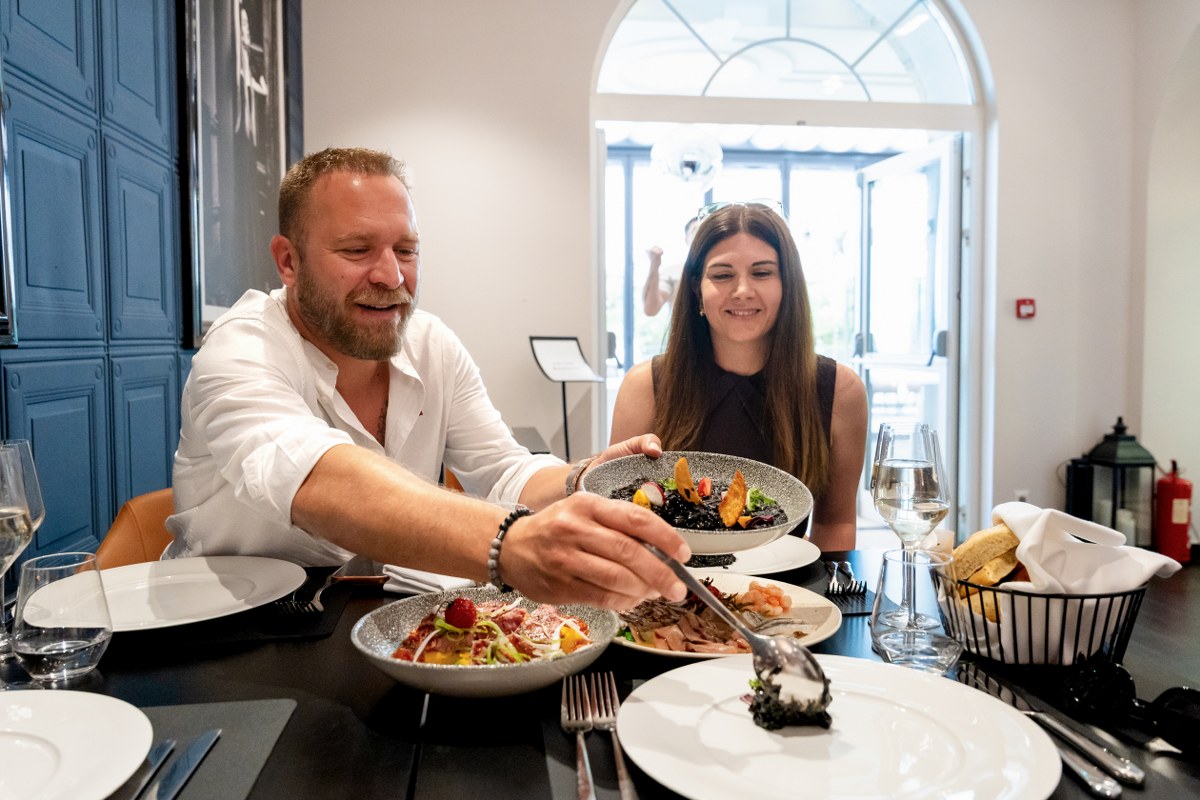
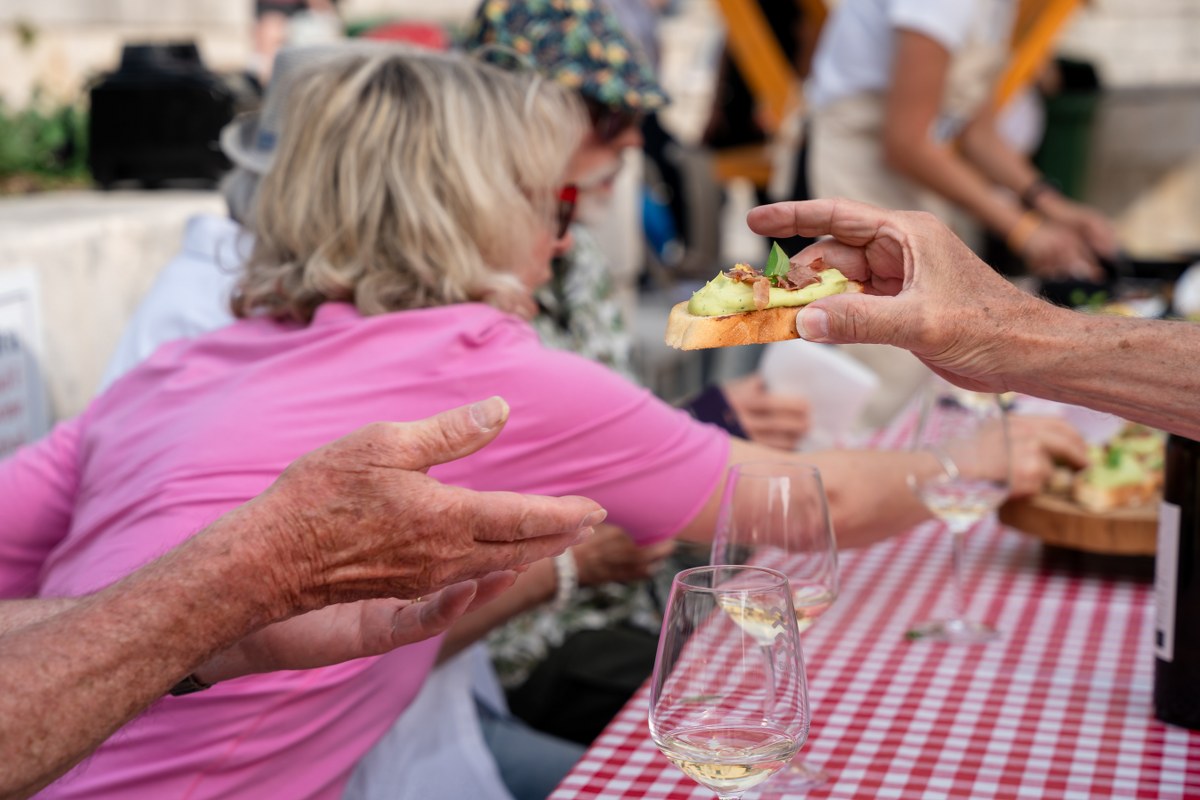
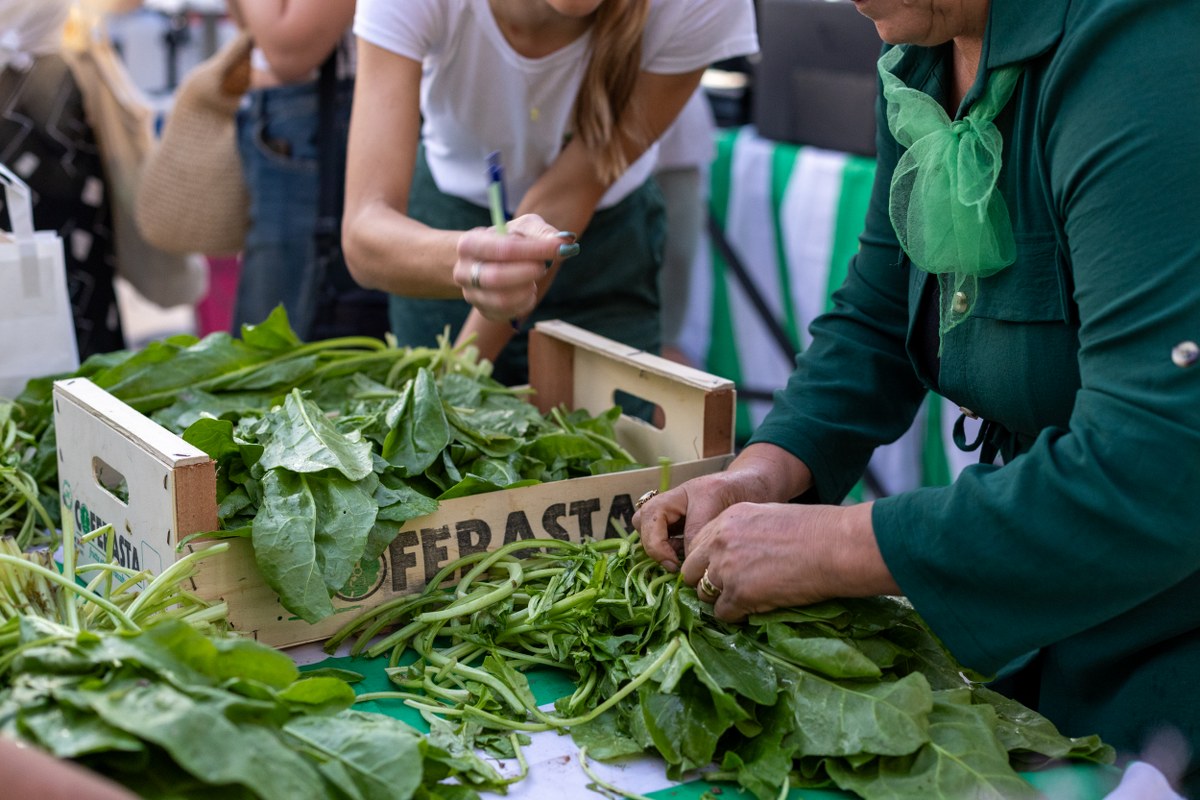
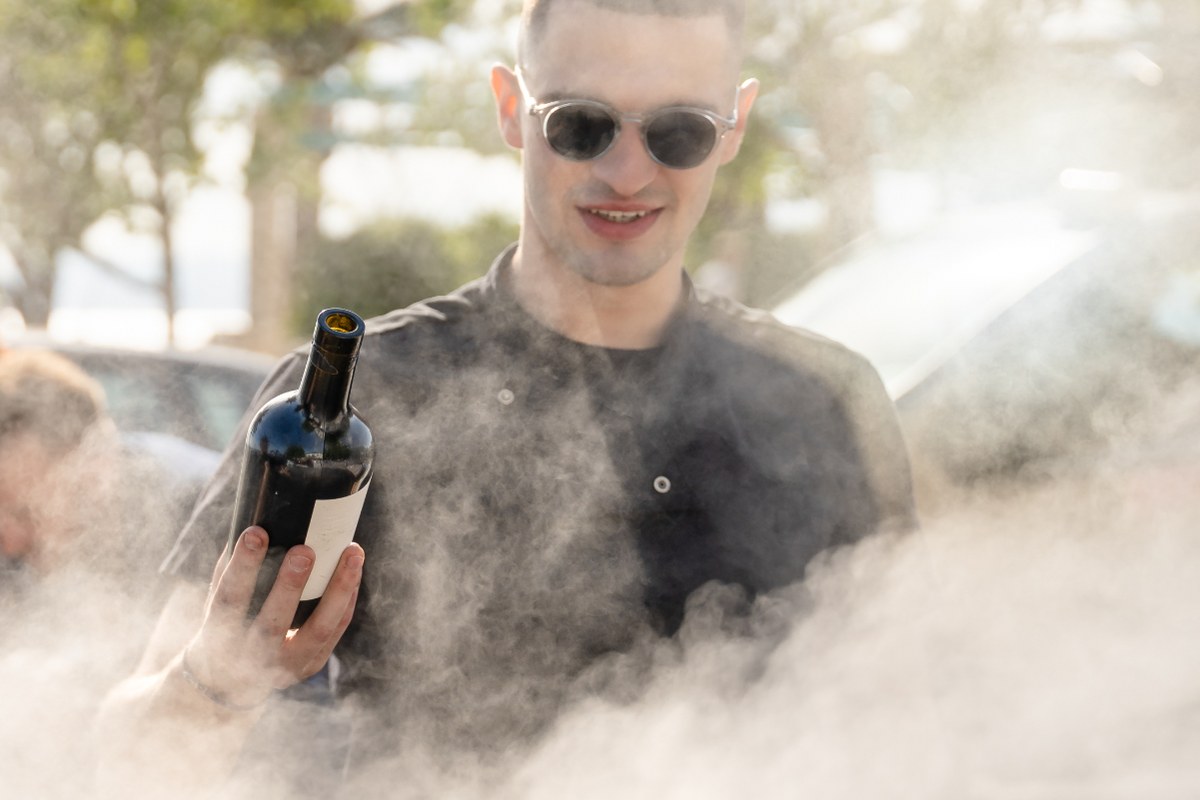
In May, the Autentica Food & Wine Festival brought the Dalmatian Marenda project to the waterfronts of the Makarska Riviera. The festival travelled from Makarska to Podgora, Baška Voda, Brela and Tučepi, with show cooking, local producers and the Autentica Market, turning the rivas into one long marenda table.
Girice or tripice?
Every local has a favourite. Next time you are on the Makarska Riviera, plan your morning around a marenda. Follow the smell you like most, find the konoba it is coming from, and ask what is in the pot. Then tell us your pick: girice or tripice?
More Stories to Explore
Events
Autentica: The award-winning festival where the Riviera cooks for itself
Food&Wine
Browse the Biokovo pantry and enjoy the high-altitude kitchen with these 5 staples

Food&Wine
Michelin recommends: The Riviera’s wonderful top tables

Food&Wine
A sweet tooth’s guide: The delightful world of Riviera desserts + RECIPE!
